
REVIEW · MUSCAT CITY TOURS
Half Day Private Muscat City Afternoon Tour
Muscat hits different at 3 pm. This private afternoon loop is built for first-time orientation, mixing big-stone monuments with old markets and harbor forts, guided in English and paced so you can ask questions. You’ll roll from modern landmarks toward Old Muscat sights like Mutrah Souq and the Old Muscat forts, with pickup and drop-off in the Muscat area.
I especially like the private guide factor. People like Ahmed, Nasr, Aziz, Saif, Waleed, Amer, Saif Al Mayyahi, Abdul, and Mohammad are repeatedly described as patient, friendly, and willing to explain details, even staying a bit longer when schedules allow. I also like that this tour gives you an easy way to connect the city’s story, from the Sultan Qaboos Grand Mosque carpet to the Portuguese-era fortifications overhead.
One thing to plan around: some stops are photo-focused because timing matters. Sultan Qaboos Grand Mosque is open 8-11 am, and with a 3 pm start you’re looking at an exterior/photo stop, plus Royal Opera House entry costs extra at 8 USD if you want to go in.
In This Review
- Key things to know before you go
- Price and logistics: what $115 covers on a private half-day
- Getting around Muscat at 3 pm without wasting your afternoon
- Sultan Qaboos Grand Mosque carpet photo stop and the 21-ton detail
- Mohammed Al Ameen Mosque in Bawshar: a modern draw with quick context
- Royal Opera House area: included time, optional interior at 8 USD
- Mutrah Souq plus harbor views: where souvenirs meet old trade routes
- Mutrah Fort: short visit, big positioning, great “why” stories
- Al Alam Palace and the Old Muscat forts that guarded the harbor
- Why the guides matter most: patience, extra time, and real answers
- What to budget beyond the listed price
- Who this half-day Muscat tour suits best
- Should you book this Muscat city tour?
Key things to know before you go
- Start time is 3:00 pm, so you’ll get late-day light and fewer morning-access limitations.
- Private means your pace: you can linger, ask questions, and adjust the flow with your guide.
- English-speaking Omani guide with pickup and drop-off across Muscat area.
- Old Muscat plus Mutrah: harbor forts, palace area, and the long-running Mutrah Souq in one afternoon.
- Opera House entry is extra, listed as 8 USD.
- Sultan Qaboos Grand Mosque is photo stop, since it only opens 8-11 am.
More capital days, other shapes
- Half-Day Private Muscat City Tour – Top Landmarks in Just 4 Hours★ 5.0 · 256 reviews
- Oman: Private Muscat City Tour With Pick-up/ Drop-off★ 4.4 · 234 reviews
- Muscat: City Highlights Tour with Optional Transfers★ 4.8 · 195 reviews
- Mystical Muscat★ 5.0 · 188 reviews
Price and logistics: what $115 covers on a private half-day
This tour is priced at $115 per person and is set up as a private experience, meaning you’re not squeezed into a big group schedule. Value here is less about ticking boxes and more about getting a guided route that makes Muscat click quickly, especially if your time is limited.
You also get a lot of “day-of” convenience baked in. Pickup and drop-off are included for the Muscat area, and you ride in a comfortable vehicle. Bottled water is provided, which sounds small until you’re moving between sea-level harbors and hill viewpoints in the afternoon sun.
For logistics-minded folks: it’s a mobile-ticket experience, and the tour is shown as having group discounts. That can matter if you’re traveling with a second family or booking multiple parties in the same window.
Getting around Muscat at 3 pm without wasting your afternoon
A 3 pm start is a smart choice for many people. You dodge the full heat of the midday and you arrive at harbor and Old Muscat viewpoints when shadows start to soften the stonework and help photos look less washed out.
The route is designed as a “drive plus short stops” rhythm. Most locations are 10-20 minutes, with longer time at Mutrah Souq. That’s ideal when you want orientation and key highlights, not a slow museum crawl.
One practical tip: keep your next plan flexible. Even though the experience is sold as half-day, the listing shows an unusual duration range (about 4 to 30 minutes). In real life, the key is that you’ll likely be busy through much of the afternoon, so don’t schedule something tight immediately after pickup returns you.
Sultan Qaboos Grand Mosque carpet photo stop and the 21-ton detail
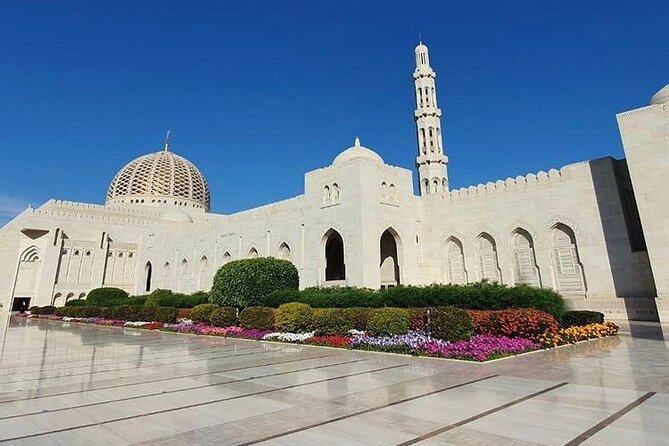
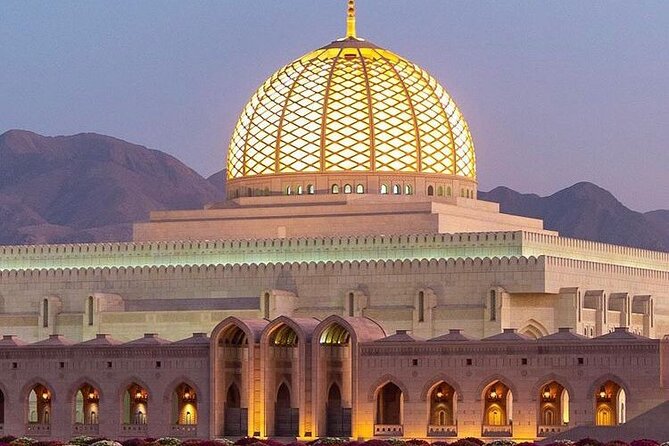
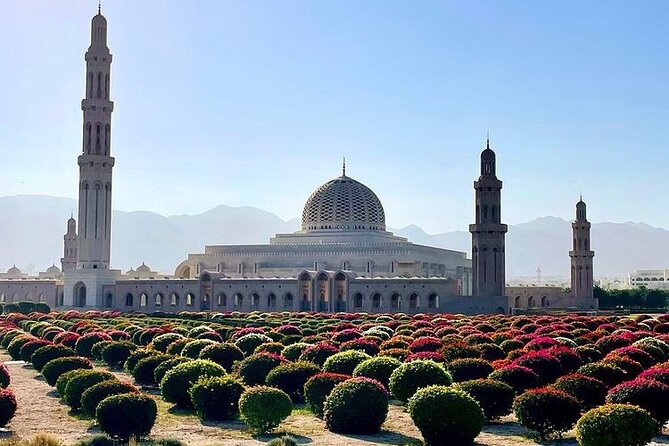
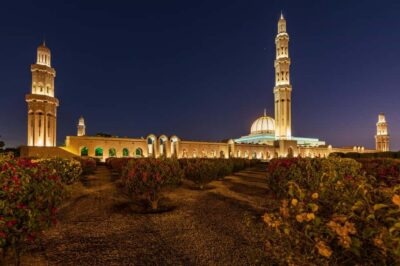
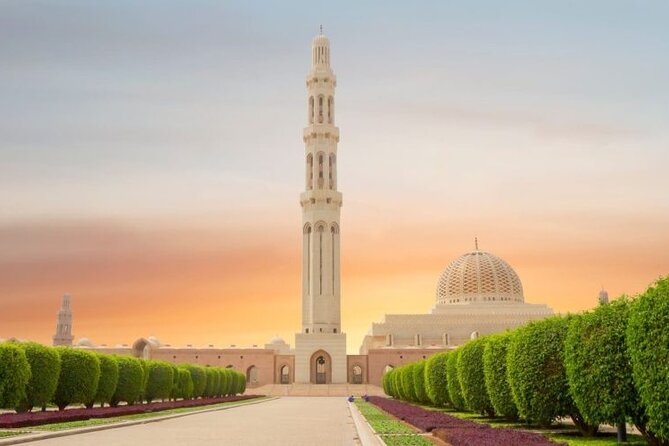
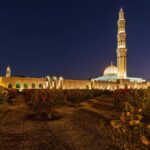
Your tour begins at Sultan Qaboos Grand Mosque with a photo stop. Because the mosque opens only from 8-11 am, your timing means you won’t be doing a full internal visit during a 3 pm departure, and that’s exactly why the stop is structured around exterior views and photos.
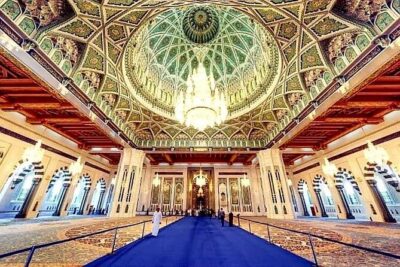
Even from outside, the details are worth noticing. The mosque is famous for a massive one-piece handmade Iranian carpet, described as weighing 21 tons and accommodating up to 20,000 worshippers. That’s the kind of fact that makes the building feel more than just pretty stone, because it tells you the scale of planning and craft behind the space.
There’s no admission cost listed for this stop. Still, treat the timing as the main “cost” of your visit here: if you want inside time, you’d need a morning plan. For an afternoon overview, the photo stop works well, and your guide can point out what to look for quickly.
Mohammed Al Ameen Mosque in Bawshar: a modern draw with quick context
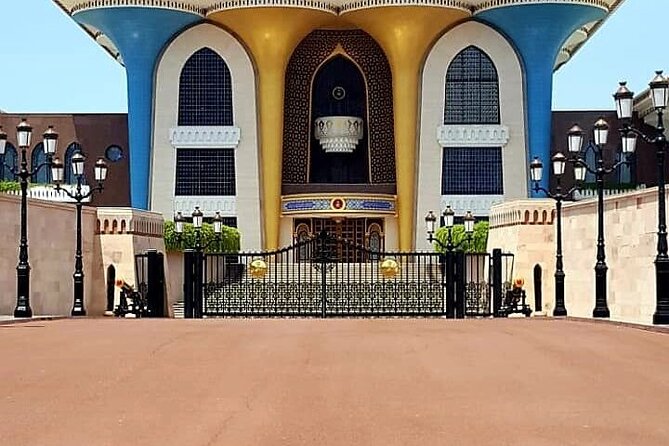
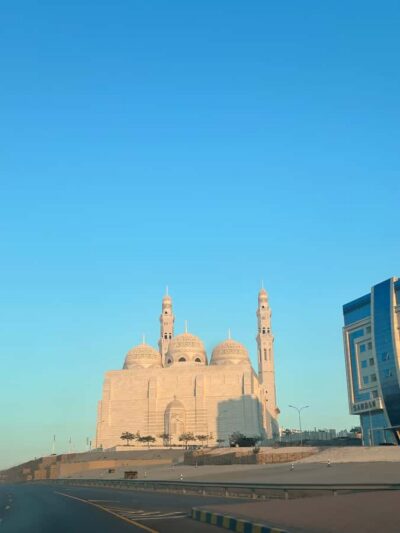
Next is Mohammed Al Ameen Mosque in Bawshar, Muscat. It opened in June 2014, and it’s also known as Bahwan Mosque and Bawshar Mosque.
This is the stop that often feels like a palate cleanser after the iconic Sultan Qaboos imagery. You get a different architectural mood, and the guide’s explanations usually help you understand what changed in the city’s visual identity over time. The scheduled stop is about 20 minutes, and admission is free.
Because it’s a newer landmark, it’s a good place to ask questions. When your guide has a chance to slow down here, you can usually get clearer answers about Oman’s cultural priorities and how they show up in public architecture.
More city days across Muscat
Royal Opera House area: included time, optional interior at 8 USD
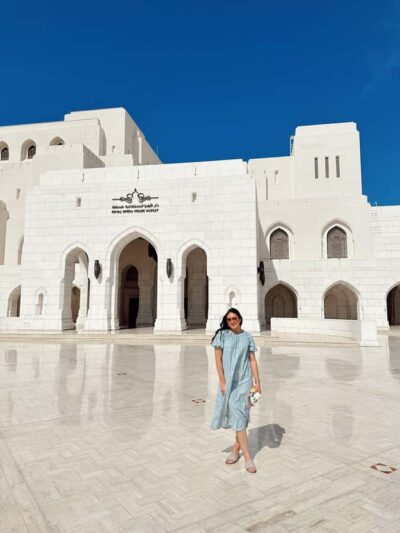
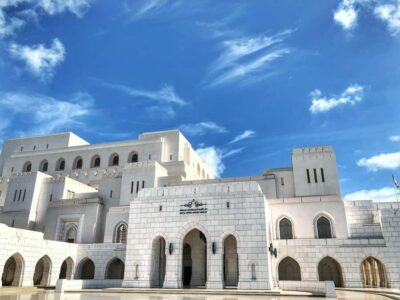
The Royal Opera House stop is mainly a drive-and-sight plan. You’ll spend around 45 minutes in the Opera House area, with time built to look around the ministries and the cultural district setting.
The description of the Opera House frames it as a center meant to support global cultural engagement. Even if you don’t enter, the area helps you see Muscat as more than forts and souqs, it’s also an active stage for arts and public institutions.
Here’s the money decision: Royal Opera House entry is not included and is listed at 8 USD. So if you’re the type who likes to see interior spaces, you’ll want to budget that extra ticket. If you’re more into exterior architecture and getting your bearings, the included area time can still feel worthwhile.
Mutrah Souq plus harbor views: where souvenirs meet old trade routes
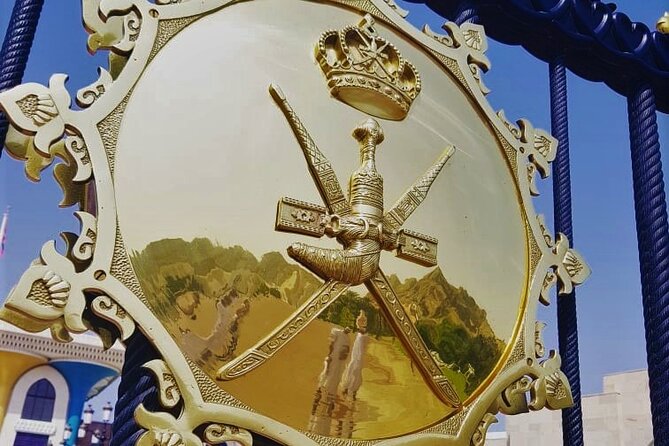
Mutrah Souq is one of the most practical stops on the route because it’s both scenic and easy to enjoy. The souq is described as one of the oldest marketplaces in Oman, dating back about two hundred years, and the scheduled time is about 1 hour with no admission ticket.
This is also where your guide’s context pays off. Souqs can turn into a blur of shops if no one explains what you’re seeing. With a guide, you can connect what’s being sold to the longer commercial identity of the area.
If your goal includes a small souvenir, this is the time to do it. If your goal is just atmosphere, you’ll still get it quickly, and the hour is long enough to browse without turning the afternoon into a shopping chore.
Mutrah Fort: short visit, big positioning, great “why” stories
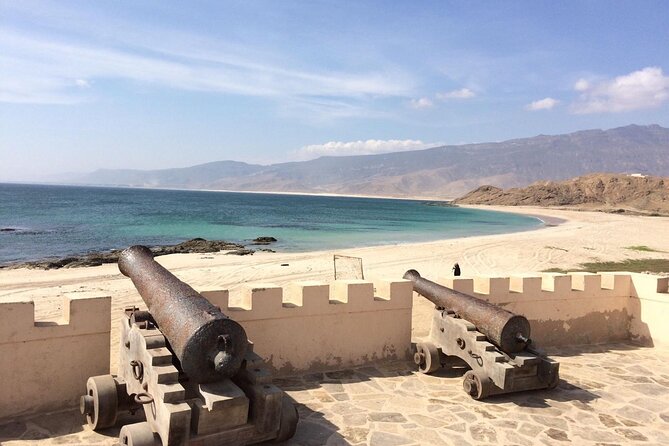
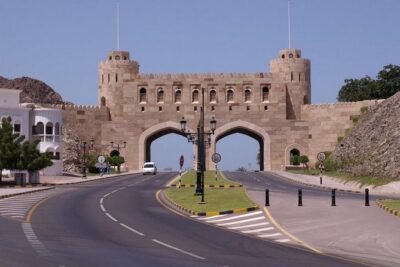
After the souq, you head to Mutrah Fort. The fort sits in a dominating position on hills overlooking the natural harbor of Mutrah, and that vantage point is the whole point. It’s easy to understand how that setup would have helped defenders watch incoming threats from watchtowers.
The stop is short, about 15 minutes, and admission is free. The value is in the interpretation, not in walking through an enormous complex. You’ll get the “why it was built there” explanation, then you’ll be back on the road quickly.
If you like viewpoints, this is one of the better places to pause for photos because the harbor setting gives scale. If you’re not into photos, you’ll still likely enjoy the storytelling, because the fort’s position practically explains its military logic.
Al Alam Palace and the Old Muscat forts that guarded the harbor
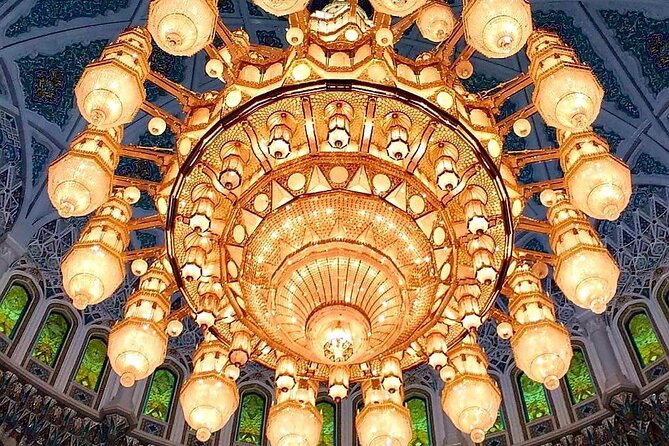
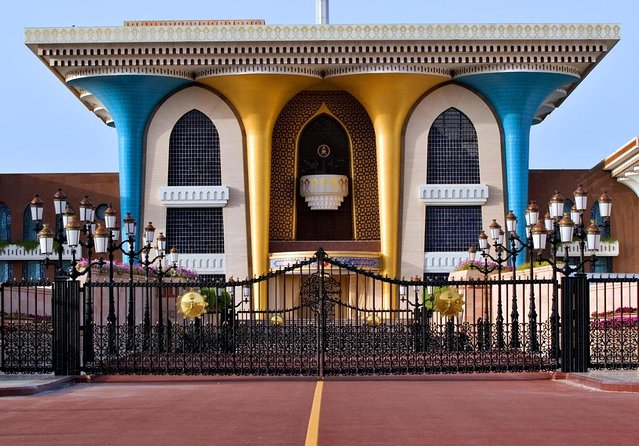
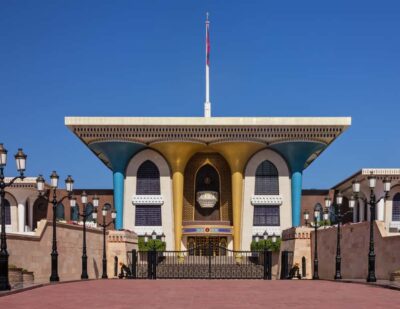
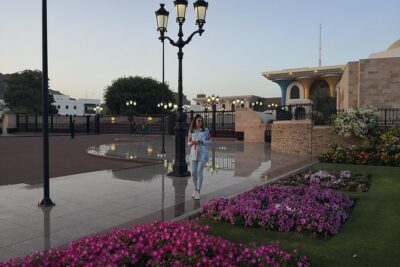
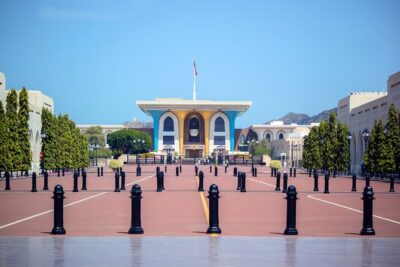
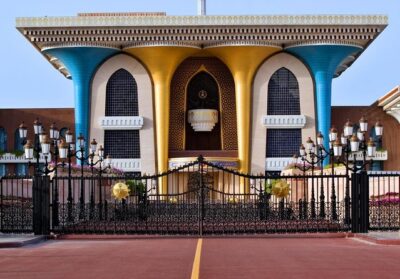
Old Muscat becomes the center of gravity after Mutrah. You’ll visit Al Alam Palace, described as the Palace of the Flag, in the Old Muscat area.
This palace is tied directly to Sultan Qaboos bin Said Al Said, and it’s also listed as one of six sultanic residences. The information here highlights a history of over 200 years and mentions that the palace was built under the watch of Imam Sultan bin Ahmed, described as Sultan Qaboos’s 7th direct grandfather. That gives the visit a sense of continuity, not just a pretty government building.
Next come the Portuguese-era harbor forts: Al Jalali Fort and Mirani Fort. Both are described as Portuguese-built, with the forts facing the harbor in protective roles after Muscat was sacked twice by Ottoman forces.
Al Jalali Fort adds more drama. It was built in the 1580s by the Portuguese under Philip I of Portugal, fell to Omani forces in 1650, and later was captured by Persians during the civil wars between 1718 and 1747 before being rebuilt extensively. It’s a lot of history for a short stop, but that’s why a guide matters.
Mirani Fort is another Portuguese-built harbor fort, also visited for about 10 minutes. Together, the two forts give you a clear sense of how Muscat defended its sea access and how power shifted over time.
Why the guides matter most: patience, extra time, and real answers
This tour works best when the guide turns a list of landmarks into a connected story. In the experience of many groups guided by people like Ahmed, Saif, Said Alkiyumi, Waleed, Amer, Abdul, and Mohammad, the recurring strengths are patience and willingness to answer questions without rushing you out the door.
A private setup helps too. If you want to linger at the Mutrah Souq edge where the views open, you can often do it. If your family has kids, you’re more likely to get a flexible pacing that keeps energy up instead of dragging everyone through “one more stop.”
I also appreciate the practical kindness that comes through in guide notes. Some guides have been described as helping with dinner plans or offering small experiences like trying local tea and bread when the timing and flow allow. Those moments are small, but they’re exactly how you get past the “tour bus photos” feeling.
What to budget beyond the listed price
At $115 per person, the big extras you should plan for are limited. The only clearly specified add-on is Royal Opera House entry at 8 USD, which is not included.
Everything else you’ll likely care about day-of is covered: bottled water, pickup and drop-off within the Muscat area, an English-speaking Omani guide, a comfortable 4WD vehicle, fuel, and a salon car for 2 pax.
The best budgeting move is to decide ahead of time whether you want to go inside the Opera House. If you don’t, you can still enjoy the cultural district drive-by timing. If you do, the added 8 USD is easy to include in your afternoon plan.
Who this half-day Muscat tour suits best
This is a good fit for people who want a fast, guided overview of Muscat’s main “identity zones”: grand mosque architecture, modern landmark contrast, royal Old Muscat areas, and the harbor forts.
It’s also a strong pick when you’re traveling with limited time. The schedule is built around short stops, so you get a sense of the city without losing an entire day. It’s especially appealing for families, since kids often handle short “look and learn” windows better than long indoor visits.
If you care more about deep museum time or long seated meals, you might feel rushed. But if your goal is to get oriented and leave with strong photos and clear context, this afternoon format is designed for that.
Should you book this Muscat city tour?
I’d book it if you want a guided shortcut through Muscat’s must-see areas in a private format. The route is compact, the stops are varied (mosques, souq, palace area, harbor forts), and the guide experience seems to be a major strength, especially for people who like asking questions and getting answers that go beyond facts.
I’d hesitate if Opera House interiors matter a lot to you, because Royal Opera House entry costs extra and some mosque access is constrained by the afternoon timing. Sultan Qaboos Grand Mosque is essentially a photo stop at this hour, so if you want inside time, you’d want a morning alternative.
If your schedule can handle one afternoon and you want Muscat to make sense fast, this is a very practical way to do it.
Nobody Else in the Car




More City Days in Muscat


The Capital, Six Other Ways

Elsewhere in Muscat, also reviewed
- Guided Private Tour to Wakan Village in Oman
★ 5.0 · 3 reviews - Wahiba Sands and Desert Safari from Muscat
★ 5.0 · 3 reviews - Wadi Shab full day tour (Muscat tours):Oman Shore excursions
★ 4.5 · 3 reviews - Private Day Trip to Wadi Shab & Bimmah Sinkhole Price Up To 5 Persons
★ 5.0 · 3 reviews - Wahiba Sands And Wadi Bani Khalid
★ 5.0 · 3 reviews
Muscat City Tours, compared.
 ★ 5.0Half-Day Private Muscat City Tour – Top Landmarks in Just 4 HoursFrom $100256 reviews
 ★ 4.4Private Muscat City Tour With Pick-up/ Drop-offFrom $137234 reviews
 ★ 4.8Muscat: City Highlights Tour with Optional TransfersFrom $40195 reviews
 ★ 5.0Mystical MuscatFrom $240188 reviews
 ★ 4.5Muscat : 4 hours private Tour of Muscat City with Pick-upFrom $234163 reviews
 ★ 4.0Muscat Half Day City Tour with Audio GuidingFrom $56155 reviews
 ★ 5.0Half-Day Private Muscat City Tour- with a local guideFrom $100143 reviews
 ★ 5.0Half Day Muscat City Tours PrivateFrom $200127 reviews
Browse the lists this tour appears in