
REVIEW · MUSCAT CITY TOURS
Muscat: City Tour of Grand Mosque, Old Souqs, Museum, & Fort
The mosque hits you first, then the old streets take over. This half-day Muscat city tour strings together Sultan Qaboos Grand Mosque, Muttrah’s markets, and Portuguese-era forts, so you get big visual moments without spending all day in transit.
I especially like two things. First, the Sultan Qaboos Grand Mosque visit gives you a calm, respectful break from sightseeing mode. Second, the walk through Muttrah’s souqs and waterfront area helps you see how everyday Muscat shopping and architecture feel in real life.
One drawback to plan for: it’s a tight schedule, so the forts and palace are mainly photo stops, not long lingering visits. Also, you have to follow a strict dress code at worship sites and the museum, or you may be refused entry.
In This Review
- Key takeaways before you go
- Sultan Qaboos Grand Mosque: What You’ll See and What to Wear
- How Muttrah Corniche, Fish Market, and Merchant Houses Feel on a Walk
- Main Souq: Perfume, Clothes Stalls, and How to Shop Smart
- Portuguese Forts Al Jalali and Al Mirani: Quick Photo-Stop Game Plan
- Al Alam Palace Photo Stop: What You Can Appreciate From Outside
- Bait Al Zubair Museum: Omani Culture Lessons With a No-Filming Rule
- Price and Value for a Private Muscat Half-Day (Up to 2 People)
- Timing, Timing, Timing: How to Make the 270 Minutes Work
- Should You Book This Muscat City Tour?
- FAQ
- How long is the Muscat city tour?
- What is the price and group size?
- What stops are included in the tour?
- Is hotel pickup and drop-off included?
- What dress code do I need for the mosque and museum?
- Can I take photos inside Bait Al Zubair Museum?
- Is lunch included?
- Is the tour suitable for wheelchair users?
- Can I get a refund if I cancel?
Key takeaways before you go
- Sultan Qaboos Grand Mosque time for photos and atmosphere. Sandstone domes, minarets, courtyards, and the main prayer hall are the big draw.
- Muttrah Souq on foot, plus fish market and corniche views. You get the old-Middle East feel and the waterfront scene.
- Portuguese Forts Al Jalali and Al Mirani, best used for quick camera angles. The stop is short, so be ready.
- Bait Al Zubair Museum teaches Omani culture with one strict rule. No photography or videography inside.
- Private group up to 2, with an English-speaking guide. You’re paying for a guided circuit, not just a ride.
More capital days, other shapes
- Half-Day Private Muscat City Tour – Top Landmarks in Just 4 Hours★ 5.0 · 256 reviews
- Oman: Private Muscat City Tour With Pick-up/ Drop-off★ 4.4 · 234 reviews
- Muscat: City Highlights Tour with Optional Transfers★ 4.8 · 195 reviews
- Mystical Muscat★ 5.0 · 188 reviews
Sultan Qaboos Grand Mosque: What You’ll See and What to Wear

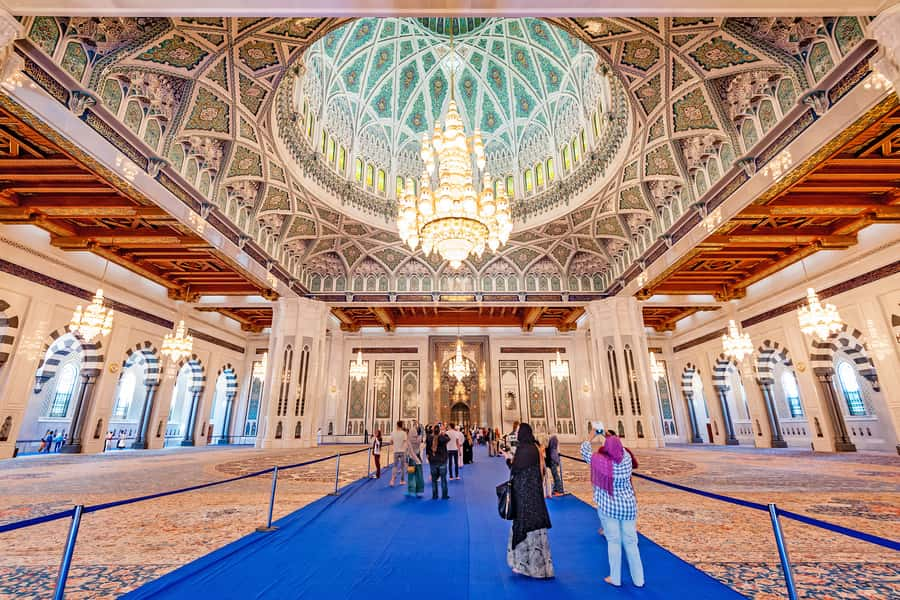
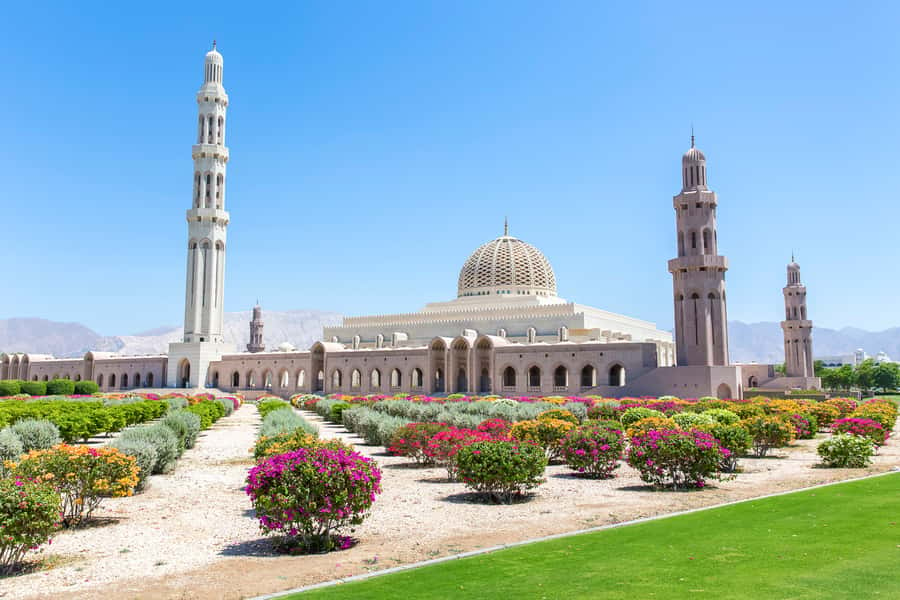
This tour starts the day with a serious cultural anchor: Sultan Qaboos Grand Mosque. You drive through the embassy quarter first, then you arrive at one of Muscat’s most recognizable landmarks, built with a look that feels both grand and calm.
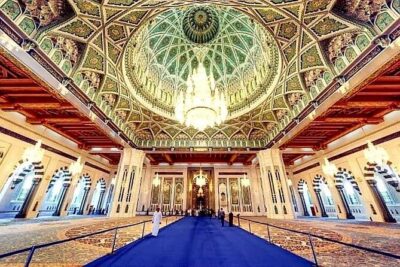
Inside, you’ll be able to admire the sandstone domes, minarets, and courtyards, then visit the main prayer hall. The big win here is tempo. Many people sprint through major sights. This one gives you a chance to slow down and watch your surroundings change, from the vehicle ride into the open courtyards and then into the prayer hall.
The key is getting your clothes right before you even leave your hotel. For places of worship and selected museums, the required dress code is long sleeves and long trousers or skirts for both men and women. For women, a headscarf is mandatory. If you show up without it, you risk being turned away.
Practical tip: wear comfortable shoes. You’ll be doing walking that adds up, even on a half-day schedule. Also bring your passport, because the tour requires a copy of your current valid passport on the day of travel.
If you care about learning more than just photographing, ask your guide for context right at the start. Guides on this route are often described as informative about Islamic culture and how the mosque works as a living place, not just a monument. If you get Abdullah or Abdul, you’re likely to hear a lot of helpful explanations. If your guide is more quiet, you can still steer the conversation by asking simple questions early.
How Muttrah Corniche, Fish Market, and Merchant Houses Feel on a Walk

After the mosque, you head to Muttrah, one of Muscat’s classic zones for texture and atmosphere. The tour does not just point at a souq and leave you there. It builds a small route that mixes shopping streets with waterfront moments.
You’ll visit Souq Muttrah, which is a traditional, older-style market area. This is where the city feels closer to daily life. You’re surrounded by merchant houses and the kind of narrow, busy street energy that makes Muscat feel distinct from other Gulf capitals.
Then you move toward the waterside fish market. Even if you’re not shopping, it’s a useful stop because it shows how the sea connects to the city’s food supply and rhythms. After that, you stroll along the corniche and see the elegant merchant houses facing the water. This is one of those sightseeing sequences that helps you understand why Muscat is built the way it is, where the coastline is part of the story.
Photo lovers: the corniche and merchant-house views are a strong payoff. The best approach is to keep your camera ready but don’t block foot traffic. And because you’re on foot for stretches, sunglasses and comfortable shoes matter more than you think in Oman’s brighter light.
Timing note: since this is 270 minutes total, it’s paced but not rushed. You’ll want to be ready to walk when you arrive at each cluster of sights. If you tend to linger, you might have to accept shorter stops later, especially around the forts.
Main Souq: Perfume, Clothes Stalls, and How to Shop Smart
Next comes the Main Souq, where the vibe changes again. This part leans into shopping: perfume shops and clothes stalls are the headline items, with plenty of souvenir potential.
This is a good stop for a practical reason. It’s not just about buying stuff. A souq is where you get a sense of what locals actually carry day to day, what kinds of products Muscat is known for, and how bargaining culture works in practice. Even if you don’t want to bargain, you can still learn by watching how merchants present goods and how customers move through the space.
What to expect in the way of your own experience:
- You’ll likely get a guided walkthrough style approach, with your English-speaking guide pointing out the most relevant lanes and items.
- You’ll have time to browse and compare, especially if you focus on one category like perfume or textiles.
Value tip: if your goal is souvenirs, decide what you want before you arrive. For example, pick either perfumes or clothing first, then use the rest of the time for small extras. That keeps you from getting dragged into browsing every stall at once.
If you’re sensitive to overcrowded shopping zones, take it as a sensory experience and set your pace. This stop is part of a tight half-day, so you may not have long to wander endlessly. Use the guided framing to get to what matters first.
And remember the rules at your next stop. The museum has a photo restriction, so it’s smart to keep your camera workflow realistic, rather than planning on filming everything.
Portuguese Forts Al Jalali and Al Mirani: Quick Photo-Stop Game Plan
Then you hit the Portuguese forts: Al Jalali and Al Mirani. These are twin forts tied to the Portuguese presence along the coast, and even with a short stop, they’re worth it.
Here’s the reality check: this tour gives you a photo stop, not a long exploration. That’s not a bad thing if you want highlights. But you should adjust your expectations. Think of it as getting the iconic view angles and moving on.
So how do you make a photo stop work?
- Position yourself quickly. The view is your target, not a long walk around.
- Watch where the guide stands. Guides know the angles and usually keep the group flowing.
- Use sunglasses to reduce squinting. Light can be intense.
These forts are also a nice bridge between the city’s older market vibe and its modern identity. In one short sequence you’re seeing layers of Muscat, Portuguese-era coastal defense transitioning into today’s city life.
If you’re a photography-first traveler, try to go in with a mini plan: one wide shot that captures both forts if possible, then a couple of close framed angles. You won’t want to waste time experimenting when the group is ready to move.
The mosque, the corniche, the forts: more routes through them


Al Alam Palace Photo Stop: What You Can Appreciate From Outside
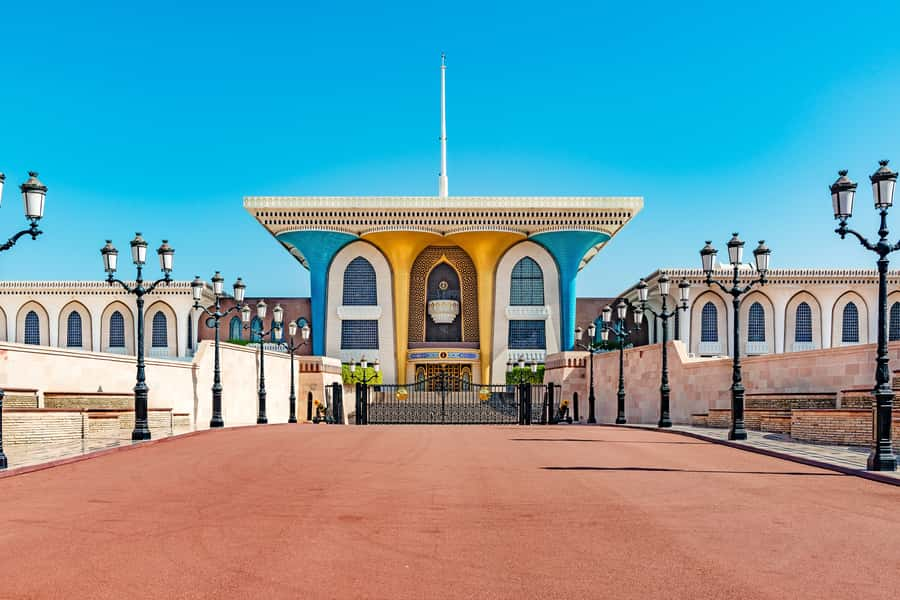
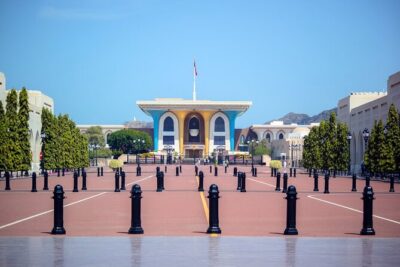
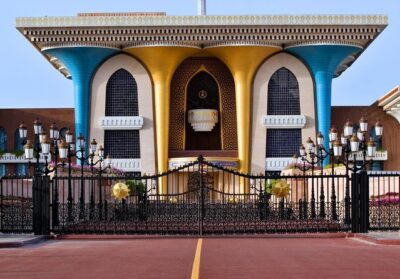
After the forts, the tour includes a photo stop at Al Alam Palace, the official palace of His Majesty Sultan Qaboos.
This one is also a photo stop, so again, this isn’t about long time inside. The value is in context. When you stand in the right spot for photos, you start to connect the mosque’s religious grandeur and Muscat’s architectural identity to the country’s modern leadership presence.
This stop works best if you’re the kind of visitor who likes seeing official architecture without needing a full walkthrough. The palace photo moment is short, but it gives your day a clear Moscat frame: spiritual landmark, old markets, coastal heritage forts, and then the modern official centerpiece.
My advice: use this moment to check your camera battery and wipe your lens. You’ll likely move directly into your final cultural stop, and the museum rules mean you’ll want to be ready for whatever is allowed.
Bait Al Zubair Museum: Omani Culture Lessons With a No-Filming Rule
Your final stop is Bait Al Zubair Museum, designed to help you understand Omani culture in a more structured way than a street souq can. The museum visit is where the day shifts from outside walking and photo moments to indoor learning.
The museum is presented as a beautifully designed place to learn about Omani culture, and that’s exactly how I’d approach it. Don’t rush. If you want the best value, slow your pace and let the exhibits do their job.
One important rule affects how you experience it: photography and videography are prohibited inside the museum. So if you’re the type who likes to record everything, you’ll need to adjust. Enjoy the displays firsthand instead of trying to capture them all.
If you like conversations, this is also a smart moment to ask your guide what you should notice. With different guides, the amount of cultural explanation can vary. Some guides are described as sharing interesting facts about Islamic culture during the mosque and other sites. If your guide is more story-driven, you’ll likely get more context here too. If you want more, ask.
This is also a good stop for people who want variety. If your trip is heavy on architecture and photos, the museum adds meaning.
Price and Value for a Private Muscat Half-Day (Up to 2 People)
Let’s talk money and what you’re actually buying. The price is $389 per group for up to 2 people, which means this is a private experience, not a shared big-bus style group tour.
Value-wise, the main thing you’re paying for is guided time. You’re getting hotel pickup and drop-off, transportation in an air-conditioned vehicle, an English-speaking guide, and bottled water. You’re also getting a curated route that includes several key sights in one stretch, so you don’t have to spend your own energy figuring out how to connect mosque time, souq time, forts, palace photo, and a culture museum.
If you’re comparing to other ticketed city tours, a review note I saw compared the pricing to a large sightseeing bus option. The meaningful difference is that this one is guided by a person and structured around local stops, rather than just driving a loop.
When does this price make sense?
- You’re traveling as a couple or as two friends and want privacy.
- You value an English guide to explain what you’re seeing, not just where it is.
- You want a realistic half-day plan without planning stress.
When it might feel less worth it:
- If you’re the type who loves self-guided exploring and wants long time in fewer places. This tour is paced and includes photo stops, not extended stays at every location.
- If you hate dress code requirements. The mosque and museum rules are strict enough to affect your morning routine.
One more note: it’s not suitable for wheelchair users, so accessibility will be a deciding factor for anyone who needs it.
Timing, Timing, Timing: How to Make the 270 Minutes Work
270 minutes sounds like plenty until you remember it includes hotel pickup, driving between areas, and time inside the mosque and museum. The tour runs as a loop that sequences the sights efficiently, but it’s still a half-day, meaning every stop has a purpose and a limit.
Here’s how to make it enjoyable instead of stressful:
- Start the day with comfortable shoes and sunglasses. It’s a walk-and-stand day.
- Bring the passport copy required on the day of travel.
- Be ready for dress code compliance immediately, especially for the mosque and museum.
If you’re coming from a cruise, you’ll want to share updates about your cruise arrival time so pickup runs smoothly. That matters more than usual because half-day tours compress everything.
Guide style also affects how the time feels. In some situations, guides are described as helpful, polite, friendly, and very informative, including cultural context about Islamic practices. In other cases, a reviewer felt they did not receive as much information. Your best move: ask a question early. For example, ask what to notice inside the mosque, or what kind of exhibits you’ll see at Bait Al Zubair Museum. That nudges the guide into conversation mode and makes the tour feel more personal.
Should You Book This Muscat City Tour?
Book this tour if you want a structured, efficient half-day that hits the essentials: Sultan Qaboos Grand Mosque, Muttrah’s souq and waterfront feel, Portuguese forts Al Jalali and Al Mirani, a quick Al Alam Palace photo moment, and a culture-focused ending at Bait Al Zubair Museum.
Skip it or think twice if any of these are deal breakers for you:
- You want long, slow time at fewer sites rather than a highlight circuit.
- You’re not willing to follow the dress code for worship places and the museum.
- You need wheelchair accessibility.
If you can handle the rules and you like guided context, this tour offers strong value for your time. It’s the kind of day that helps you understand Muscat as more than postcards, especially because it blends religious architecture, old markets, and coastal history into one coherent route.
FAQ
How long is the Muscat city tour?
The duration is 270 minutes, which is a half-day.
What is the price and group size?
It costs $389 per group for up to 2 people, and it’s a private group.
What stops are included in the tour?
You’ll visit Sultan Qaboos Grand Mosque, Souq Muttrah (including the waterfront fish market and corniche area), the Main Souq, Portuguese Forts Al Jalali and Al Mirani (photo stop), Al Alam Palace (photo stop), and Bait Al Zubair Museum.
Is hotel pickup and drop-off included?
Yes. Pickup and drop-off are included from your hotel or selected central Muscat location.
What dress code do I need for the mosque and museum?
Long sleeves and long trousers or skirts are required for both men and women. For women, a headscarf is mandatory. You should plan to follow these rules for places of worship and selected museums.
Can I take photos inside Bait Al Zubair Museum?
No. Photography and videography are prohibited inside the Bait Al Zubair Museum.
Is lunch included?
No. Lunch is not included, and additional drinks are not included either.
Is the tour suitable for wheelchair users?
No. The tour is not suitable for wheelchair users.
Can I get a refund if I cancel?
Yes. Free cancellation is available up to 24 hours in advance for a full refund.
More Forts on the Same Road



Mosque, Souq and Fort: More Muscat Landmarks



The Capital, Six Other Ways


Elsewhere in Muscat, also reviewed
- Guided Private Tour to Wakan Village in Oman
★ 5.0 · 3 reviews - Wahiba Sands and Desert Safari from Muscat
★ 5.0 · 3 reviews - Wadi Shab full day tour (Muscat tours):Oman Shore excursions
★ 4.5 · 3 reviews - Private Day Trip to Wadi Shab & Bimmah Sinkhole Price Up To 5 Persons
★ 5.0 · 3 reviews - Wahiba Sands And Wadi Bani Khalid
★ 5.0 · 3 reviews
Muscat City Tours, compared.
 ★ 5.0Half-Day Private Muscat City Tour – Top Landmarks in Just 4 HoursFrom $100256 reviews
 ★ 4.4Private Muscat City Tour With Pick-up/ Drop-offFrom $137234 reviews
 ★ 4.8Muscat: City Highlights Tour with Optional TransfersFrom $40195 reviews
 ★ 5.0Mystical MuscatFrom $240188 reviews
 ★ 4.5Muscat : 4 hours private Tour of Muscat City with Pick-upFrom $234163 reviews
 ★ 4.0Muscat Half Day City Tour with Audio GuidingFrom $56155 reviews
 ★ 5.0Half-Day Private Muscat City Tour- with a local guideFrom $100143 reviews
 ★ 5.0Half Day Muscat City Tours PrivateFrom $200127 reviews
Browse the lists this tour appears in