
REVIEW · MUSCAT CITY TOURS
Muscat Tour – Half day
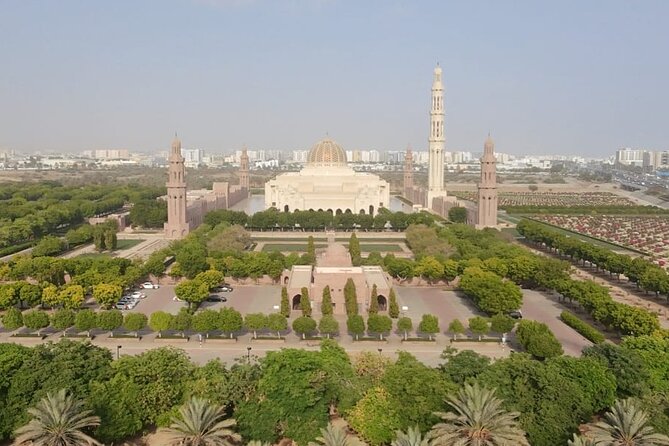
Mosque to palace, in one tight half-day plan. What makes this tour work is the way it strings together Sultan Qaboos Grand Mosque first, then follows with cultural stops that explain how Muscat thinks, prays, trades, and celebrates. I like the focus on real places you can walk through, and I especially like pairing worship at the mosque with a learning stop at the Bait Al Zubair Museum. One thing to consider: entrance tickets are extra, and if you book a late start, you might hit closing times for certain buildings.
If you want a smooth hit of Muscat without building your own route, this is a solid option. The itinerary is guided start to finish, with pickup from selected hotels, and it is offered in English and Arabic. The best version of this day happens when you show up dressed right, wear comfortable shoes, and keep your schedule realistic for a few indoor visits.
In This Review
- Key Highlights to Look For
- Why This Half-Day Muscat Circuit Feels Efficient
- Price and Entrance Fees: What Your $88 Really Covers
- Pickup, Timing, Dress Code, and What to Bring
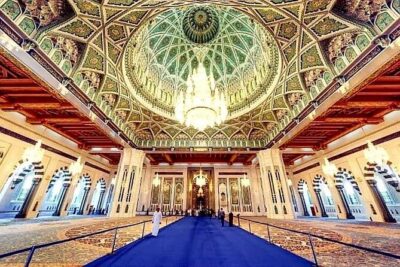
- Sultan Qaboos Grand Mosque: Architecture You Can Read
- Royal Opera House Muscat: Short Stop, Solid Context
- Mutrah Souq: Souvenirs with a Local Guide Advantage
- Bait Al Zubair Museum: Where the City’s Stories Become Personal
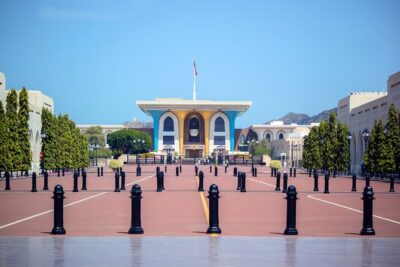
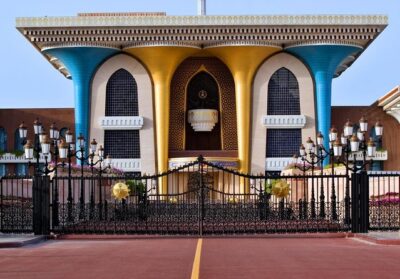
- Al Alam Palace: Seeing Ceremonial Oman with Respect
- Muscat Governorate Time: The Bonus Block You Should Use Wisely
- How Good Guides Change the Whole Experience
- Who Should Book This Tour, and Who Might Want Another Option
- Should You Book This Half-Day Muscat Tour?
- FAQ
- How long is the Muscat tour (half day)?
- How much does the tour cost?
- What is included in the price?
- Are entrance fees included?
- Which stops are part of the tour?
- What languages are the guides available in?
- What are the dress code and accessibility details?
Key Highlights to Look For
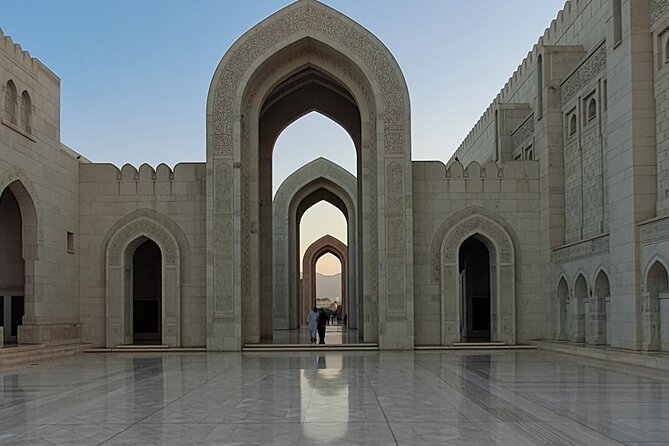
- Sultan Qaboos Grand Mosque, the main architectural and religious anchor of Muscat
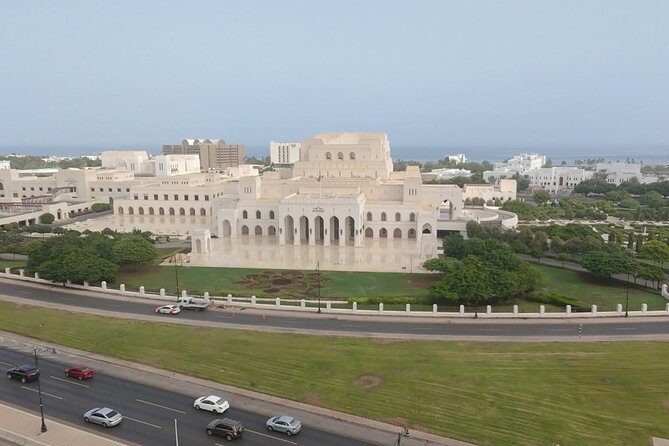
- Royal Opera House, a short stop with big design presence and context from your guide
- Mutrah Souq time, where you shop with a plan and can compare souvenirs
- Bait Al Zubair Museum, an approachable museum stop that adds meaning to the sights
- Al Alam Palace, a ceremonial site you see with explanations that go beyond photos
More capital days, other shapes
- Half-Day Private Muscat City Tour – Top Landmarks in Just 4 Hours★ 5.0 · 256 reviews
- Oman: Private Muscat City Tour With Pick-up/ Drop-off★ 4.4 · 234 reviews
- Muscat: City Highlights Tour with Optional Transfers★ 4.8 · 195 reviews
- Mystical Muscat★ 5.0 · 188 reviews
Why This Half-Day Muscat Circuit Feels Efficient
This tour is designed for people who want to understand Muscat’s character fast. In about half a day, you cover landmarks that represent major themes: faith, culture, royal ceremony, and everyday life. That mix is what makes the route satisfying instead of just photo stops.
I also like that it is guided. Your guide is there to connect the dots, like why a mosque looks the way it does or how a palace fits into Oman’s modern identity. When you have someone answering questions in plain language, you tend to remember more, and you walk away with better context.
The pacing is also the right kind of active. You get time to enter and look around key buildings, then you shift gears to trading streets where you can browse and buy. It is not a long tour, so you avoid the fatigue that can come from trying to cram too much into a day.
Price and Entrance Fees: What Your $88 Really Covers
The tour price is $88 per person. That is the amount you pay for the professional guide plus hotel pickup and drop-off from selected hotels. In other words, you are paying for logistics and interpretation, not just transportation.
Entrance fees are not included, and the tour lists specific tickets you may need:
- Grand Mosque fee: 8.4 OMR
- Royal Opera House fee: 3.2 OMR
- Bait Al Zubair Museum fee: 3.2 OMR
If you enter all three ticketed stops, that totals 14.8 OMR in entrance fees. Whether that feels “expensive” depends on how often you like to tour indoors. If you enjoy museums and architecture, it is a fair add-on. If you would rather mostly walk exterior views, you might want to budget less time for ticketed interiors.
One practical tip: bring a little cash or have your payment ready for OMR. Even if you expect cards to work, having the exact fee amount helps the day run smoother.
Pickup, Timing, Dress Code, and What to Bring
Pickup is from Muscat, with hotel pickup and drop-off available for selected hotels. You get a live guide in English and Arabic, and the format is private or small groups when available. If you are traveling with family or you want questions answered as you go, small-group pacing is often the sweet spot.
Dress code is smart casual. Since you will be visiting religious and ceremonial sites, you should dress in a way that feels respectful and not overly casual. Comfortable shoes are a must. Even when the stops feel “short,” you still end up walking, standing, and moving between viewpoints.
What I recommend you bring:
- Comfortable shoes
- Sun hat
- Camera
- Water
Muscat can get warm, and outdoor time adds up quickly. Water helps you keep the tour enjoyable instead of switching into “survival mode” after the mosque or souq.
Also note: the tour is not wheelchair accessible. Most travelers can participate, but if you have mobility needs, it is worth checking before you book.
Sultan Qaboos Grand Mosque: Architecture You Can Read
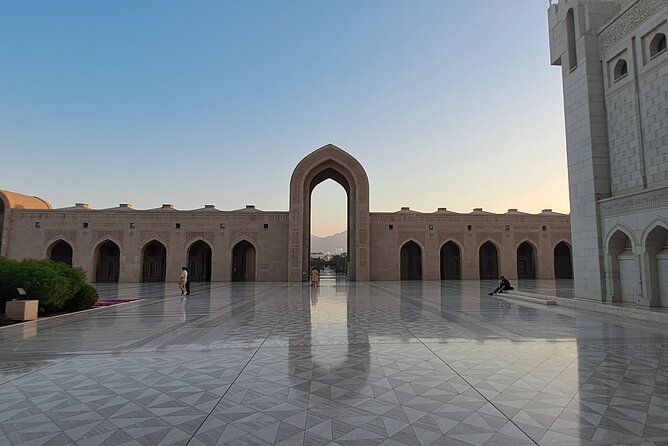
Your tour typically starts at the Sultan Qaboos Grand Mosque, with about one hour there. This is a great way to begin because the mosque sets the tone for everything you’ll see later. You are looking at Oman’s faith expressed through design, scale, and detail.
What you should expect: a chance to admire the architecture and then learn the history of the mosque from your guide. With a guided stop, you can look beyond the obvious beauty. Your guide’s job is to help you notice what matters, like how materials, layout, and decoration communicate meaning.
A real-world tip from the experience of others: getting there earlier in the day often makes the visit more comfortable. Even if you cannot control the exact time, try to avoid arriving too late because you may find limited access at some buildings as opening hours tighten.
If you want the best photos, listen to your guide about where to stand and when. For religious sites, timing and respectful behavior matter, and your guide will usually know the flow that keeps things smooth.

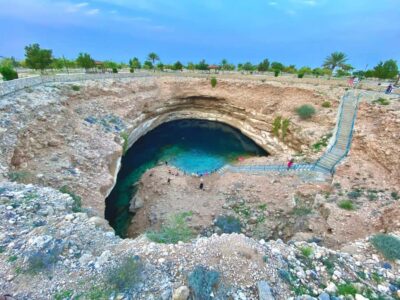


Royal Opera House Muscat: Short Stop, Solid Context
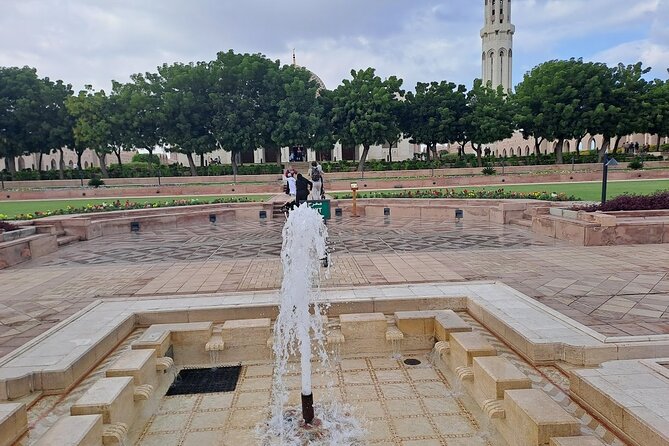
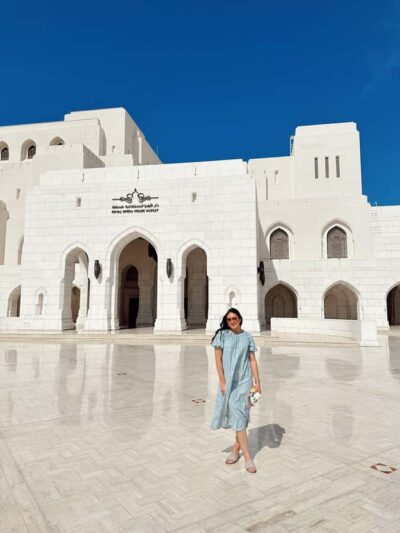
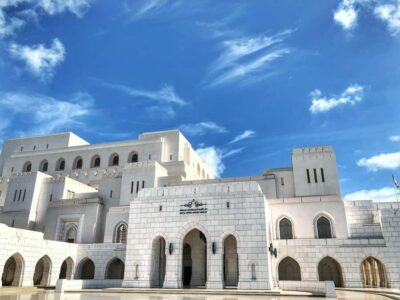
Next up is the Royal Opera House Muscat, usually around 30 minutes. This stop is quick, so you will get the best value if you treat it like a focused “learn what I’m seeing” moment.
The tour experience here is not just looking at a building. It is about understanding it as a symbol of Oman’s cultural heritage. In a short time, a good guide can explain the big picture, so you leave feeling like you actually understood why the opera house exists, not just that it looks impressive.
If you are the type who enjoys architecture, you will likely like this stop. If you prefer shopping and markets, you might find it brief, but it still acts as a cultural bridge between the mosque’s spiritual focus and the souq’s everyday energy.
Entrance to the opera house has a listed fee of 3.2 OMR, so this is one of the costs to plan for if you want to go inside.
Mutrah Souq: Souvenirs with a Local Guide Advantage
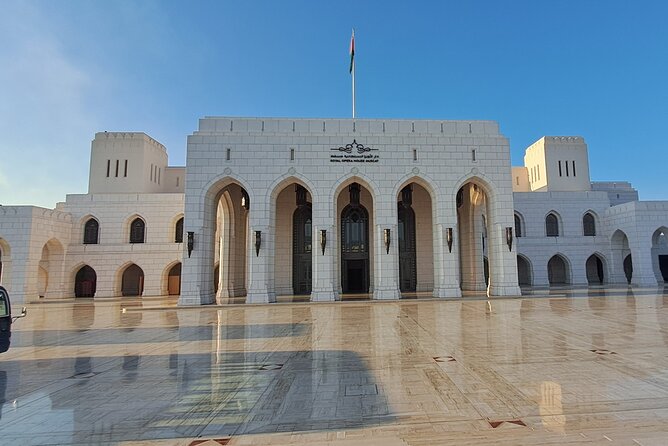
The Mutrah Souq is one of the oldest marketplaces in Oman, and it is built for wandering. This is where the day shifts from monuments to daily life.
The tour gives you time to explore the market and shop for souvenirs. Your guide can help you navigate the layout, and that matters more than you might think. In a busy souq, it is easy to miss good stalls or get caught paying “tourist rates” for items you could compare.
Since the tour includes guidance, I like this stop for first-time visitors. You get the experience without feeling lost, and you have a second set of eyes for pricing and quality.
One practical thing: wear breathable clothes if it is warm, and keep your phone handy for references. Also, keep your pace flexible. Souqs run on foot traffic and small detours, and an organized plan helps but should not turn into a rush.
Bait Al Zubair Museum: Where the City’s Stories Become Personal
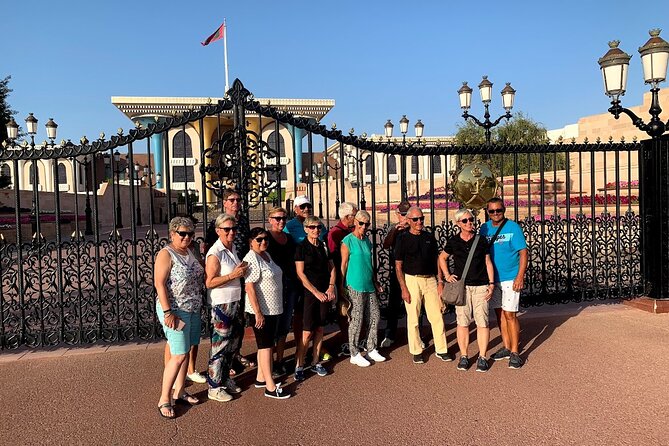
The tour also includes Bait Al Zubair Museum, with an entry fee listed at 3.2 OMR. This is a museum stop that helps you connect the “why” behind what you saw earlier.
What you should expect is a guided look at Oman’s history and the culture of the people who live there. That kind of context is what transforms a route from a checklist into an actual understanding of the country’s identity.
I particularly like museums that explain the people, not just the artifacts. If you walk in expecting a dry lecture, you might miss why this stop works. Your guide’s explanations are meant to make the stories understandable while you are still thinking about the mosque, the palace, and the market.
Museum time can feel short in half-day tours, so I suggest you pick a couple topics you want to remember, like everyday life, traditions, or how Oman’s identity developed. Then use your guide’s talk to anchor those themes.
Al Alam Palace: Seeing Ceremonial Oman with Respect
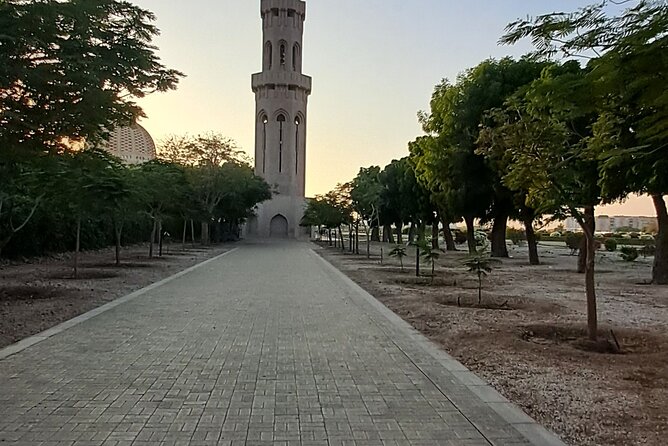
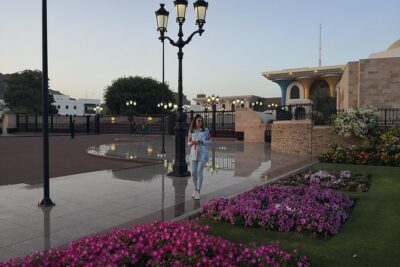
The day ends with a stop at Al Alam Palace, which is described as the ceremonial palace of Sultan Qaboos. You typically spend about 75 minutes around this area, which is enough time to see it, take photos respectfully, and get the story from your guide.
Ceremonial sites can be tricky for visitors. From the outside, you can only tell so much. The value of having your guide here is that you learn what the building represents, and why it belongs in Muscat’s overall cultural picture.
This is also one of the stops where timing matters. Ceremonial buildings sometimes have restricted access windows depending on what is happening that day. If your tour is later in the day, you might have more limited viewing opportunities. That is the main drawback to keep in mind when choosing your start time.
As with all palace-type locations, dress respectfully and keep things calm. You want the visit to be smooth for you and for everyone else.
Muscat Governorate Time: The Bonus Block You Should Use Wisely
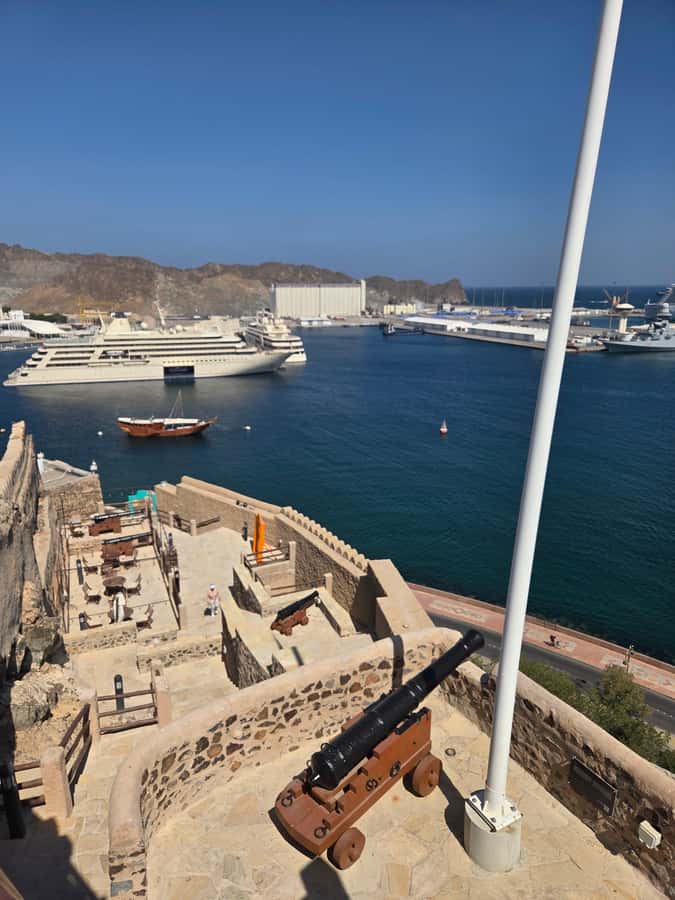
The itinerary includes additional time labeled as Muscat Governorate for about one hour. The description suggests this is part of exploring the wider Muscat area between the marquee stops.
This hour is your chance to ask your guide for practical details, like where to grab a good meal afterward, which neighborhoods feel most interesting for a next walk, or what to prioritize if you return to Muscat for a longer stay. If your guide is good, this is often the most useful time because it is flexible.
Even if you do not know what you want to ask in advance, you can still use this time well by staying observant. Look for city wall lines, older areas, and the way the city blends modern structures with traditional patterns.
How Good Guides Change the Whole Experience
This tour is built around your guide. The difference between an average day and a great day is often how the guide explains the places and manages the timing.
In examples of this tour running smoothly, guides have been described as kind, friendly, and calm, with a gift for telling the story of the sights. One guide named Fahmi is noted for being personable, flexible with the programme, and good at keeping things comfortable in the car. Another detail that stands out in that kind of experience is that the vehicle is kept clean and comfortable, which matters when you are sitting between stops.
Here is how to work with your guide to get more value:
- Ask one question at each stop, not five questions at once
- If you care about photos, ask where to stand before you start shooting
- If you have a priority, say it early, like museum time versus extra market time
A good guide makes the route feel like you are hanging out with someone who knows the city. That is the best kind of tourism.
Who Should Book This Tour, and Who Might Want Another Option
This is a good match if you want a guided hit of major Muscat landmarks without the stress of figuring out logistics. It is also a great choice if you enjoy culture and you like the idea of mixing architecture with shopping and a museum.
You might want to reconsider if:
- You are extremely sensitive to schedule changes or closing times, because a late start can limit access to some indoor locations.
- You want long, slow time in one place, because this is designed as a multi-stop half-day route.
If you are traveling solo, this still works well since the guide handles the flow. If you are a couple, you will likely appreciate that the day covers variety. If you are a family, the short duration helps keep energy up, especially with comfortable shoes and water.
This tour also fits well for first-time visitors to Muscat who want a coherent picture of what matters.
Should You Book This Half-Day Muscat Tour?
Book it if you want the best value in time. For $88, you get a professional guide and pickup from selected hotels, and you will hit the big landmarks: Sultan Qaboos Grand Mosque, Royal Opera House, Mutrah Souq, Bait Al Zubair Museum, and Al Alam Palace. Add the entrance fees and you still have a structured plan that teaches you what you are seeing.
Skip or adjust your expectations if you dislike paying extra for entrances or if your schedule makes it hard to arrive early. In that case, aim for a start time that gives you breathing room for indoor visits.
One last practical note: you can cancel up to 24 hours in advance for a full refund, and there is a reserve now, pay later option. That flexibility is useful when you are juggling flights or aligning with mosque and museum hours.
FAQ
How long is the Muscat tour (half day)?
The duration is listed as 4 hours to 5 days. In the context of a half-day Muscat tour, you should expect around 4 hours, depending on the starting time shown for availability.
How much does the tour cost?
The price is listed as $88 per person.
What is included in the price?
The tour includes a professional guide and hotel pickup and drop-off for selected hotels.
Are entrance fees included?
No. Entrance fees are not included. The listed fees are 8.4 OMR for the Grand Mosque, 3.2 OMR for the Royal Opera House, and 3.2 OMR for the Bait Al Zubair Museum.
Which stops are part of the tour?
The tour includes visits to the Sultan Qaboos Grand Mosque, Royal Opera House Muscat, Mutrah Souq, Bait Al Zubair Museum, and Al Alam Palace. It also references major sites such as the Old Muscat City Wall.
What languages are the guides available in?
The live tour guide is available in English and Arabic.
What are the dress code and accessibility details?
The dress code is smart casual. The tour is not wheelchair accessible, but most travelers can participate.
The Capital, Six Other Ways



Elsewhere in Muscat, also reviewed
- Guided Private Tour to Wakan Village in Oman
★ 5.0 · 3 reviews - Wahiba Sands and Desert Safari from Muscat
★ 5.0 · 3 reviews - Wadi Shab full day tour (Muscat tours):Oman Shore excursions
★ 4.5 · 3 reviews - Private Day Trip to Wadi Shab & Bimmah Sinkhole Price Up To 5 Persons
★ 5.0 · 3 reviews - Wahiba Sands And Wadi Bani Khalid
★ 5.0 · 3 reviews
Muscat City Tours, compared.
 ★ 5.0Half-Day Private Muscat City Tour – Top Landmarks in Just 4 HoursFrom $100256 reviews
 ★ 4.4Private Muscat City Tour With Pick-up/ Drop-offFrom $137234 reviews
 ★ 4.8Muscat: City Highlights Tour with Optional TransfersFrom $40195 reviews
 ★ 5.0Mystical MuscatFrom $240188 reviews
 ★ 4.5Muscat : 4 hours private Tour of Muscat City with Pick-upFrom $234163 reviews
 ★ 4.0Muscat Half Day City Tour with Audio GuidingFrom $56155 reviews
 ★ 5.0Half-Day Private Muscat City Tour- with a local guideFrom $100143 reviews
 ★ 5.0Half Day Muscat City Tours PrivateFrom $200127 reviews
Browse the lists this tour appears in