
REVIEW · EMPTY QUARTER & RUB AL KHALI SAFARIS
Desert Sunset Magic – Salalah Empty Quarter Experience
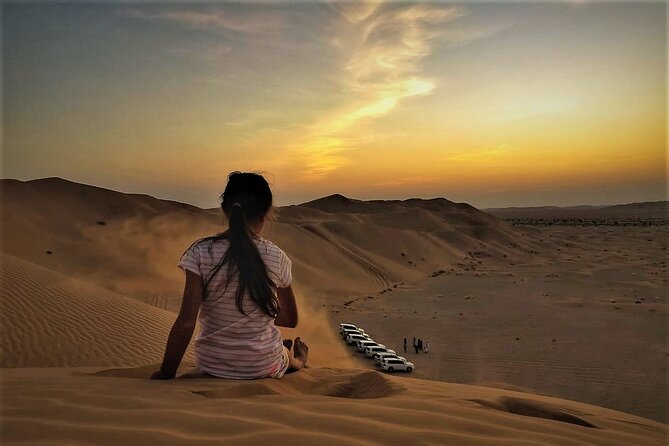
Desert dusk meets frankincense lore. This private, hassle-free Salalah ride takes you into the Rub al Khali for Bedouin culture, big-terrain driving, dune bashing, and a sunset from the top of the dunes.
I especially like the Wadi Dawkah UNESCO frankincense stop, where you get close to a living tradition, not just photos. I also like the warm break in Thumrait with Arabian coffee (Qahwah) and dates before heading toward the archaeological intrigue.
One consideration: you’ll be on uneven desert terrain and the day runs long, so plan for moderate physical fitness and a willingness to hold on during dune driving.
In This Review
- Key moments I think you should circle
- A private Rub al Khali sunset day that starts in comfort
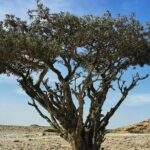
- Wadi Dawkah: frankincense growing in real desert conditions
- Thumrait coffee break on the frankincense trade crossroads
- The Lost City of Ubar: why the Empty Quarter still sparks questions
- Kzv camp dune bashing: adrenaline with a view payoff
- Al Hadaf sunset: where the timing makes or breaks the day
- Price and value: what $200 buys in a private desert format
- Who this desert sunset tour suits best
- What to wear and pack for a long desert day
- Quick read on the guide vibe, and why it matters
- Should you book Desert Sunset Magic in Salalah?
- FAQ
- Is pickup included from Salalah?
- How long is the Desert Sunset Magic tour?
- What’s included in the tour price?
- Is the tour physically demanding?
- Where is the sunset viewpoint?
- What happens if the weather is poor?
Key moments I think you should circle
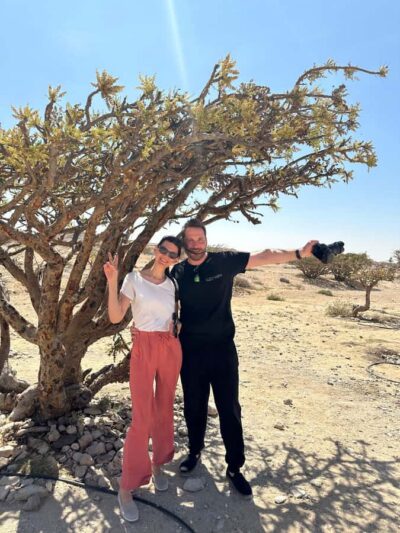
- Wadi Dawkah frankincense trees in a UNESCO-registered reserve with about 1,230 perennial trees
- Qahwah and dates in Thumrait, plus context on the ancient frankincense routes
- The Lost City of Ubar archaeological stop, tied to early 20th-century explorers
- Dune bashing with a stop on the highest dunes, for that slow, golden sunset at Al Hadaf
- A guide-focused experience, with Hamid described as professional and history-minded in feedback
Further into the Empty Quarter
- Sunset Desert Safari Salalah Tour in Rub Al Khali – Empty Quarter★ 5.0 · 91 reviews
- Salalah: Sunset Desert Safari – Rub Al Khali – Empty Quarter★ 4.6 · 79 reviews
- Empty Quarter Desert Sunset tour★ 5.0 · 55 reviews
- Desert Safari, Sunset & Sand Bashing (Rub Al Khali Desert)★ 5.0 · 44 reviews
A private Rub al Khali sunset day that starts in comfort
This is the kind of desert outing that makes sense if you want the big scenery without turning your day into a logistics project. You get round-trip transport from Salalah, in an air-conditioned vehicle, and you keep moving with bottled water, snacks, and hot drinks (coffee and/or tea). It’s also set up as a private tour, so only your group participates.
The timing is built around daylight and sunset. You’re out for roughly 8 to 10 hours, with short stops that keep the day moving but not rushed. The route includes stretches of winding mountain roads on the way to the empty desert edge, so even before you see dunes, you get that “we’re leaving the coast behind” feeling.
One neat detail: the tour is described as guided and organized in a way that gets you to key moments on time. In feedback, Hamid comes up often for being professional and making sure the group arrives at the dunes with enough timing to enjoy the light change.
Wadi Dawkah: frankincense growing in real desert conditions
The day’s first stop is Wadi Dawkah, reached after driving via the Qara mountains. The road is described as zigzagging up a steep hill, and it’s the kind of ride where you can spot camels and cattle along the way. If you like landscape views, this is your first payoff.
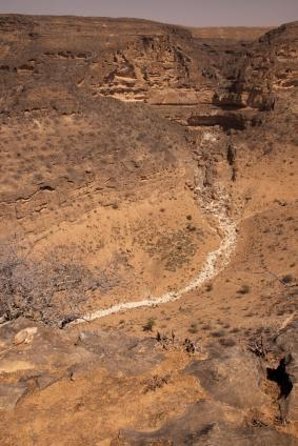
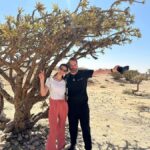
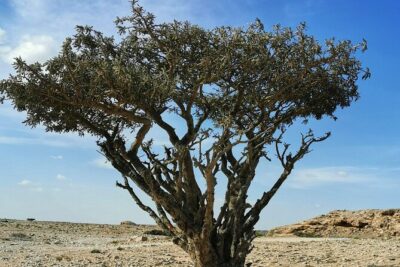
At Wadi Dawkah, the focus turns to frankincense as a living plant, not a souvenir story. This UNESCO-registered national reserve contains about 1,230 perennial frankincense trees spread across roughly 5 km². You’ll have admission included, and the point is to experience how this tree grows in the region where it’s historically been valued.
Why I like this stop for travelers: it gives you a theme for the whole day. Later, you’ll hear about trade routes and lost places in the same desert zone. When you start with the tree that made the region famous, the rest of the story clicks faster.
What to expect in practice: you’ll likely be doing some walking and standing around while you take in the reserve and the explanation. If you burn easily, take that seriously. Desert sun is not the time to save your sunscreen.
Thumrait coffee break on the frankincense trade crossroads
Next you head to Thumrait for a short break and a chance to reset before the bigger desert portion. This is not a long stop, but it matters because it gives you a human pause in the middle of a long day.
You get refreshment time, including the chance to try Arabian coffee (Qahwah) and dates. The town is also described as a vital point on the ancient frankincense trading routes, so it’s more than just a snack break. The idea is that you connect the earlier Wadi Dawkah frankincense plants to how people historically moved this valuable commodity through the region.
A small but helpful detail: Thumrait is where you’re better positioned to feel the local rhythm. The tour keeps this part simple, then continues onward to the next stop tied to archaeology and the famous mystery of Ubar.
The Lost City of Ubar: why the Empty Quarter still sparks questions
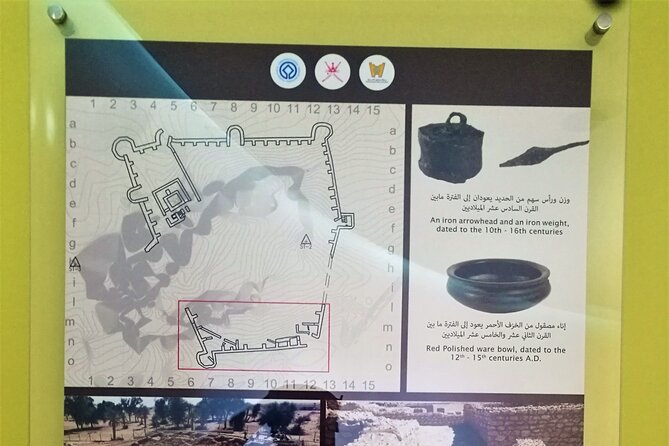
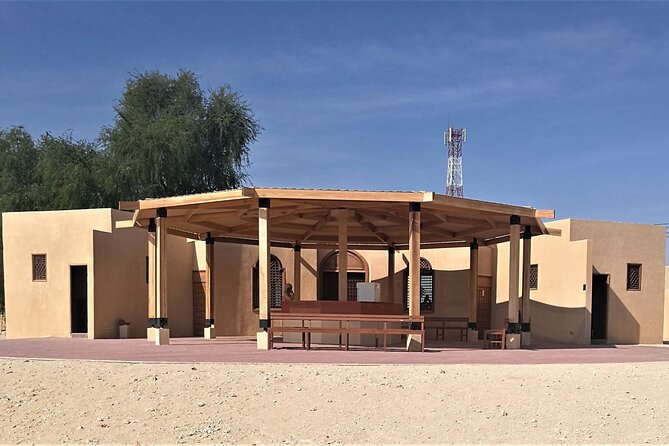
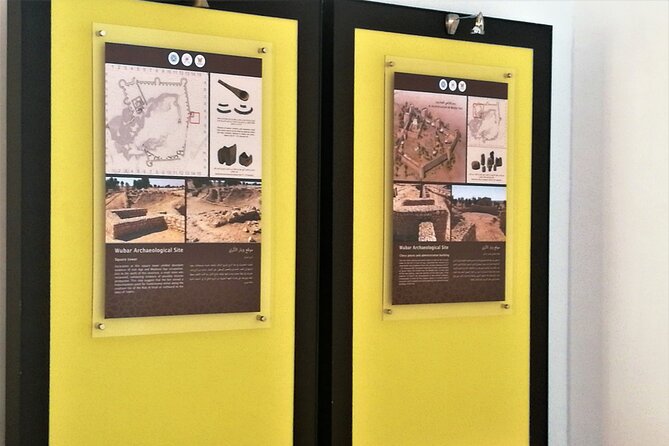
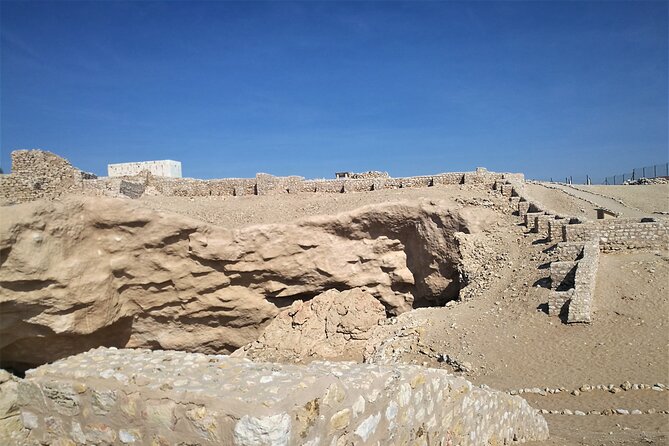
After Thumrait, you move to the Lost City of Ubar archaeological stop. This is where the tour shifts from plants and trade to the kind of discovery stories that keep historians and explorers interested for decades.
The setting is connected to a bigger narrative: early documented attempts to locate Ubar in the Empty Quarter, including efforts by English diplomat and explorer Bertram Sidney Thomas (associated with the book Arabian Felix) and later work by explorer Sir Wilfred Patrick Thesiger (connected with Arabian Sands). The tour highlights that researchers kept returning to the puzzle even decades after those early attempts.
Even if you are not a hardcore archaeology person, this stop can work well because it puts you in a region where the environment itself helps explain why people kept looking. The Empty Quarter is remote, and that remoteness is part of why a city rumored to exist there became such a magnet for research attention.
Practical note: this stop runs about 30 minutes, and admission is included. It’s long enough for orientation and key points, but you should not plan on it feeling like a full museum experience.
Down in Dhofar, more days out
Kzv camp dune bashing: adrenaline with a view payoff
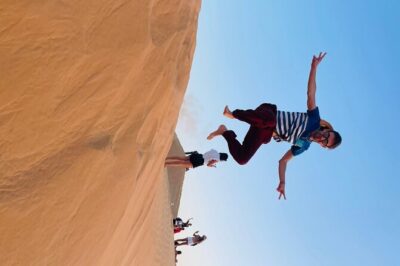
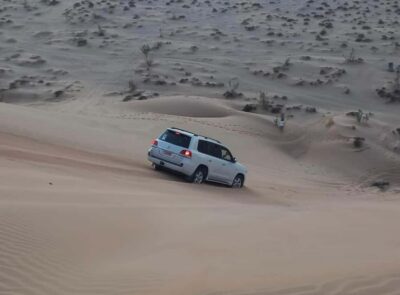
Now you get to the part most people book for: dune bashing. After the archaeological stop, the tour heads toward Kzv camp tourist, where you ride the dunes and then pause for the light shift.
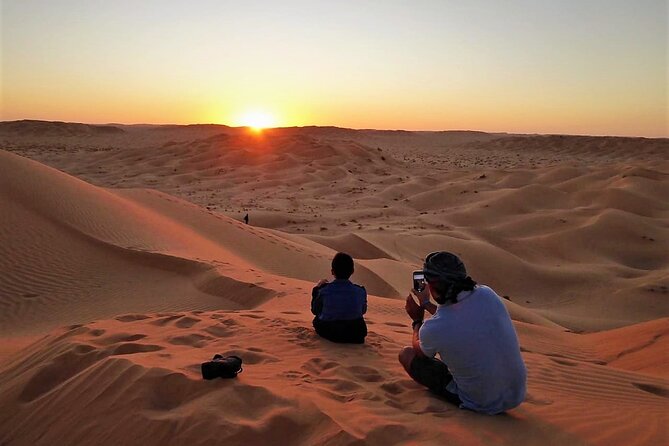
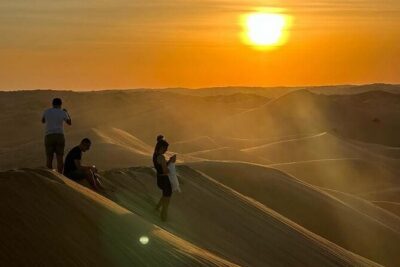
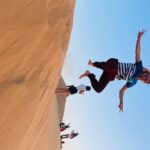
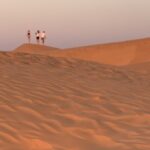
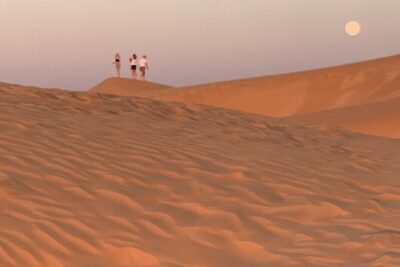
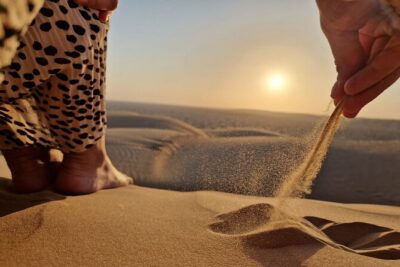
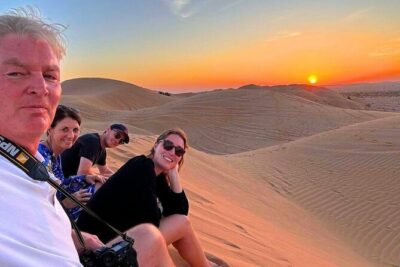
The ride is described as a thrill across the Empty Quarter, plus time to chase the light and get that horizon view. After the driving, you stop on the dunes to watch the sun melt into waves of sand. If you’ve ever wondered why desert sunsets feel different, it’s usually because you’re standing above a moving sea of texture. Here, the tour intentionally builds in a moment where you can just look.
One more detail that matters for your comfort: the tour guide and driving style are part of the experience. In feedback, Hamid is repeatedly described as careful and attentive, and that can make a big difference when you’re holding on in uneven terrain.
The tour also advises a moderate physical fitness level. That’s not about hiking for hours. It’s about handling the movement, staying steady on sand and uneven ground, and being okay with the physical side of dune driving.
Al Hadaf sunset: where the timing makes or breaks the day
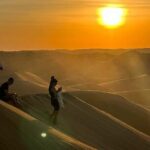
The final highlight is watching sunset from the top of dunes at Al Hadaf. This is the part you should plan around emotionally and practically. Sunset moments in the desert have a simple rule: you either arrive with enough time to set yourself up, or you don’t get the full effect.
That’s why I think the “hassle-free” part matters here. The tour is structured to get you there without you having to coordinate transport, find the right dune spot, or guess timing. If you’re coming from Salalah and you want the day to feel calm despite the remote setting, this is one of the reasons the itinerary is designed the way it is.
If you want the best photos, consider this: you’ll be on sand, in bright light right before sunset, and you may be moving between the vehicle and viewpoints. Bring sunglasses, protect your eyes, and be ready for the wind to pick up.
Price and value: what $200 buys in a private desert format
At $200 per person, this sits in the middle for a desert outing, but the value depends on how you feel about private transport and included access.
Here’s what you are getting for that price:
- Air-conditioned vehicle and bottled water
- Coffee and/or tea plus snacks
- All site fees and taxes
- A plan that covers multiple stops, not just a single drive-and-go dune session
- A private format where only your group participates
- A sunset-focused day structure with stops that explain the why, not only the where
Add in the fact that pickup is offered and transport is taken care of round-trip from Salalah, and the cost looks more reasonable. For many visitors, the biggest hidden cost in desert days is time and effort spent coordinating drivers, entry access, and timing.
Also check for any group discounts if you’re traveling with friends or family. The private setup can still be cost-friendly if you split well.
Who this desert sunset tour suits best
This experience is a good match if you:
- Want Bedouin culture context and regional history tied to what you see during the day
- Like guided explanations, especially around frankincense and the Ubar story
- Prefer a structured day with included refreshments rather than trying to improvise in the desert
- Are okay with driving over uneven terrain and holding steady during dune bashing
It may be less ideal if you strongly dislike being outside for extended hours or if your comfort level with uneven sand is low. The tour does call for moderate physical fitness, so be honest about what you can handle.
What to wear and pack for a long desert day
The tour’s practical notes are worth following, because they affect comfort more than people expect.
Wear:
- Comfortable clothes you can move in
- Sunglasses and sunblock
- Ideally layers, because conditions can shift during evening hours
The guidance also recommends a light jacket for cooler evenings. That’s the kind of detail that can save you when the desert temperature drops faster than you expect.
Bring:
- Anything you need for sun protection and basic comfort
- A mindset for sand, wind, and heat
And mentally prepare for the day’s rhythm: short stops for learning and refreshments, then a transition into more physical desert time.
Quick read on the guide vibe, and why it matters
This tour seems to work best when your guide is good at two things: timing and storytelling.
In the feedback, Hamid is described as professional, attentive, and genuinely proud of Oman. That shows up as “we arrived in time” and “he shared history clearly.” For a sunset-focused day, timing is huge. For a day that mixes plants, trade routes, and a lost city mystery, storytelling matters just as much.
If you care about understanding what you’re seeing, this is the kind of tour where the guide can turn it from scenic to meaningful.
Should you book Desert Sunset Magic in Salalah?
I’d book it if you want a single, well-paced desert day that connects frankincense, trade routes, and the Ubar mystery to the big payoff of dune bashing and an Al Hadaf sunset. The inclusions are solid, the private format reduces stress, and the guide-driven feel comes through strongly in the kind of feedback this tour earns.
I’d think twice if you’re not comfortable with uneven terrain, if long days in the sun are a struggle, or if you’re expecting a short, easy desert photo stop. This is a real day in the Rub al Khali region, with movement and physical moments.
FAQ
Is pickup included from Salalah?
Pickup is offered, and the tour includes round-trip transport from Salalah. You do not need to arrange separate transportation.
How long is the Desert Sunset Magic tour?
The duration is about 8 to 10 hours.
What’s included in the tour price?
The price includes an air-conditioned vehicle, bottled water, coffee and/or tea, snacks, and all site fees and taxes.
Is the tour physically demanding?
You should have moderate physical fitness. The tour involves uneven terrain and you should hold tight during dune driving.
Where is the sunset viewpoint?
The sunset is watched on top of the dunes at Al Hadaf.
What happens if the weather is poor?
This experience requires good weather. If it’s canceled due to poor weather, you’ll be offered a different date or a full refund.
Salalah Once the Sun Is Low
More of Dhofar

Out on the Empty Quarter

Elsewhere in Salalah, also reviewed
- Half-Day Private Salalah East Tour
★ 5.0 · 3 reviews - Salalah City Tour :Salalah Tours
★ 5.0 · 3 reviews - Salalah East Tour (Full Day Tour)
★ 5.0 · 3 reviews - West Coast Mountains and Beaches (Fazayah beach + Shaat cliff)
★ 5.0 · 3 reviews - Jebel Safari – Tour della montagna
★ 5.0 · 3 reviews
Empty Quarter & Rub Al Khali Safaris, compared.
 ★ 5.0Sunset Desert Safari Salalah Tour in Rub Al Khali – Empty QuarterFrom $9591 reviews
 ★ 4.6Salalah: Sunset Desert Safari – Rub Al Khali – Empty QuarterFrom $10279 reviews
 ★ 5.0Empty Quarter Desert Sunset tourFrom $15255 reviews
 ★ 5.0Desert Safari, Sunset & Sand Bashing (Rub Al Khali Desert)From $16444 reviews
 ★ 5.0Magical Night Stay in Rub Al Khali Empty Quarter Desert SalalahFrom $27535 reviews
 ★ 4.8Magical Desert Safari By Land Cruise in Empty QuarterFrom $15218 reviews
 ★ 5.0Desert Safari Trip Full Day & Ubar Lost cityFrom $19518 reviews
 ★ 5.0Private Sunset Experience in Empty Quarter DesertFrom $19517 reviews
Browse the lists this tour appears in