
REVIEW · MUSANDAM & KHASAB DHOW CRUISES
From Khasab: Half-Day Mountain Safari to Jabel Harim
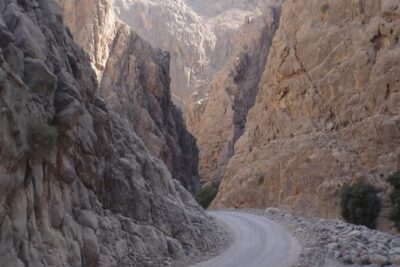
Altitude makes the mountains feel close. This half-day 4×4 ride up from Khasab to Jebel Harim mixes sweeping panoramas with hands-on nature facts, from preserved sea fossils to ancient rock art. I also love how you’re treated to Karak tea and easy refreshments along the way, not just a long drive. One possible drawback: the road is bumpy, and the altitude is real, so it’s not a sit-back-and-nap outing.
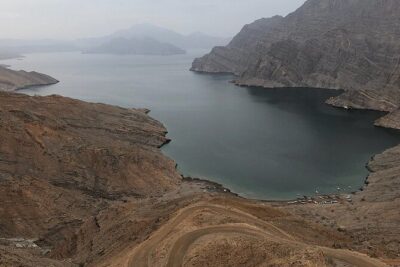
The prize viewpoint is the stop at Khawr Najid, where you can look out over the Indian Ocean and get that big Musandam “how is this real?” feeling. The guides add calm, practical energy too, including safety-first driving and clear explanations in English. If you’re sensitive to heights or rough rides, you’ll want to plan accordingly.
This tour is listed as a private group and includes pickup from Khasab or the cruise port area, with drop-offs at set locations. It is not suitable for pregnant women or people with mobility impairments. Bring comfortable shoes, expect a lot of time spent looking out of a 4WD, and keep your expectations set for a mountain adventure.
In This Review
- Key things to know before you go
- Why Jebel Harim feels different than most Oman mountain trips
- The 4WD climb from Khasab, altitude, and what the drive is really like
- Fossil wall and fossil-studded rocks: the science stop you’ll actually enjoy
- Sayah village and the petrographs: where Oman’s deep time becomes visible
- Jebel Harim summit area: radar, panoramic views, and Khawr Najid’s payoff
- Refreshments, guide quality, and how to get the most out of the ride
- Who this tour suits best, and who should skip it
- Price and value: is $269 per group up to 2 worth it?
- Should you book the Jebel Harim half-day safari?
Key things to know before you go
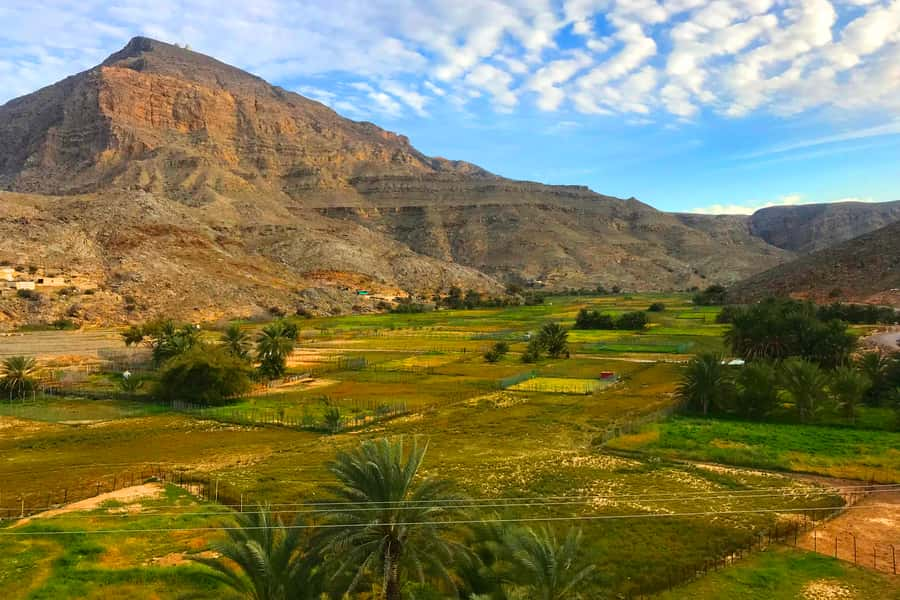
- Jebel Harim sits about 6,000 feet up, with dramatic viewpoints on the way.
- The summit area includes a radar station, built to monitor shipping far below in the Straits of Hormuz.
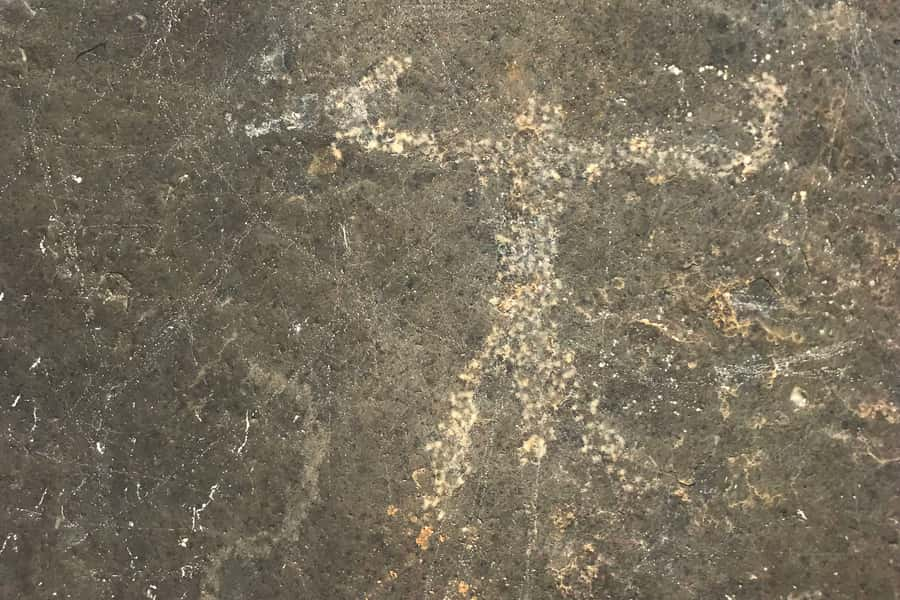
- Sayah village petrographs are a highlight, including around 3,000-year-old rock paintings.
- A fossil wall shows dense fossil impressions from ancient sea life.
- Khawr Najid viewpoint is the big photo moment over the Indian Ocean.
- Light refreshments are included, plus mineral water and packed juices.
Deeper into the fjords, other Khasab sailings
- Khasab: Half-Day Dhow Cruise, Dolphin Watching, & Snorkeling★ 4.9 · 507 reviews
- Khasab: Half-Day Dhow Cruise with Dolphin Watching★ 4.7 · 189 reviews
- Khasab: Dolphin Watching Day Tour with Snorkeling & Lunch★ 4.8 · 188 reviews
- Khasab Musandam Full Day dhow cruise with lunch and Snorkeling★ 5.0 · 186 reviews
Why Jebel Harim feels different than most Oman mountain trips
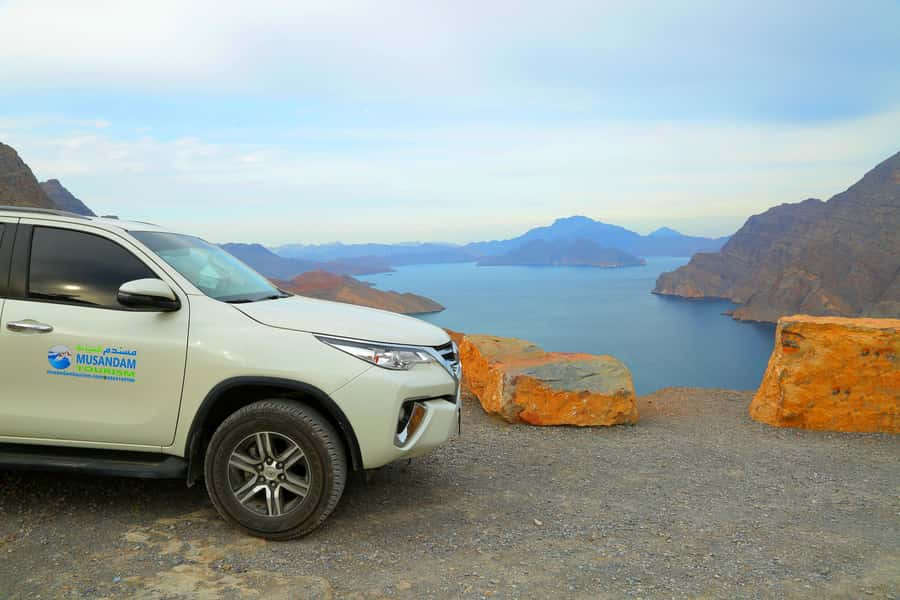
If you’ve done a few “go up, take photos, come back” tours, this one earns its keep by stacking three kinds of interest in half a day: geology, history, and sheer scale.
First, the rocks tell a story. Many surfaces on this route are studded with preserved fossils, and the tour focuses on what those fossils represent. Think mollusks, fish, clams, and trilobites. It’s a rare chance to see how the environment changed, because you’re not just reading signs, you’re watching the physical evidence in the stone.
Second, you get a clear human layer. You’ll visit Sayah, a village still tied to desert-dwelling Bedouin life. The main reason to go is the ancient petrographs, with rock paintings reported as about 3,000 years old. Even if you’re not a rock-art specialist, the idea that you’re standing near marks made long before modern borders is powerful.
Finally, Musandam’s geography does its thing. You’re up high, the views are wide, and the 4WD lets you reach angles you wouldn’t get from a flat walk. The result is a tour that feels like more than driving plus photos. You’re getting context for what you’re seeing, and the viewpoints keep coming.
The 4WD climb from Khasab, altitude, and what the drive is really like
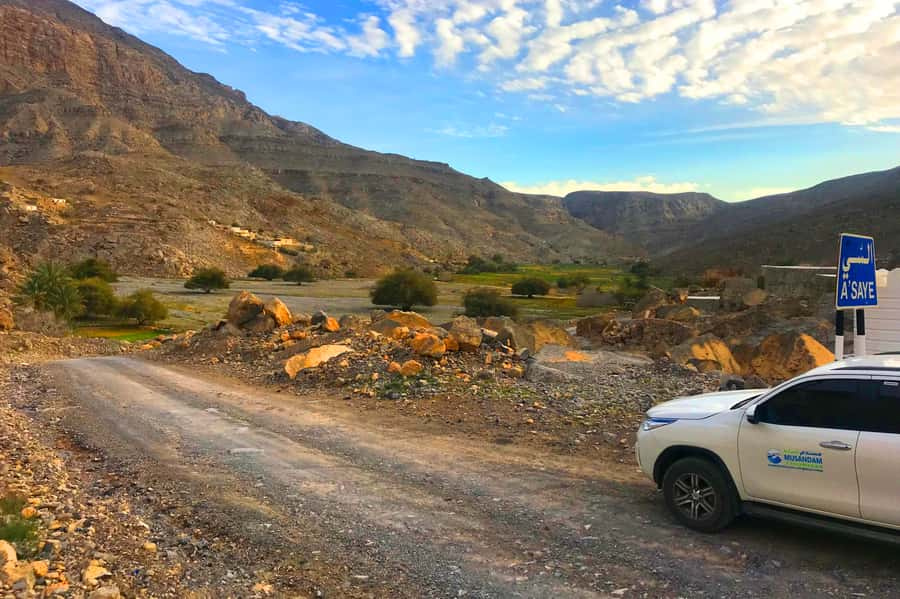
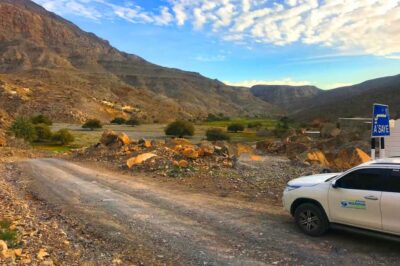
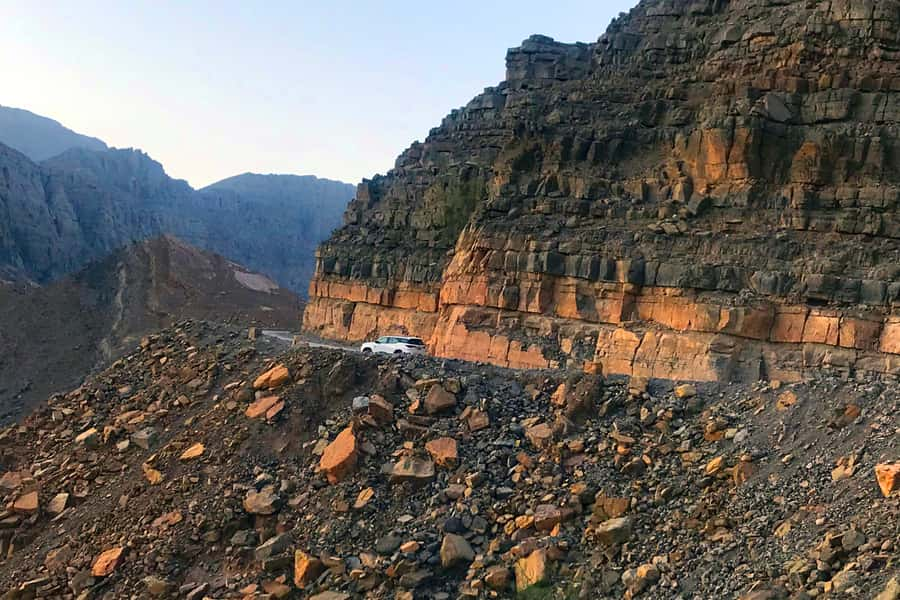
This is a half-day, about 210 minutes, built around a mountain drive in a 4×4. Starting from Khasab, you’ll head into the Musandam Peninsula’s high terrain, with viewpoint stops along the way.
Two practical things matter here. One is altitude. The route reaches around 6,000 feet above sea level. That can mean cooler air and clearer sightlines, but also it means you should move slowly on any short walks and drink the included water. The other is the ride quality. You’re in a 4WD on mountain terrain, so expect bumps and dust, even if the driving is careful.
What I like about this format is that the drive is not dead time. The itinerary is built so you stop to look, not just stop when everyone’s tired. The viewpoint rhythm keeps the energy up, and you’re not stuck staring out of the window for the entire trip without a reason to stop.
One more comfort note, based on what people praise about the experience: a good guide makes a difference. In one of the standout reviews, the driver Ansi was praised as very prepared, very communicative, and, most importantly, a driver who made passengers feel safe. That matters on mountain roads. If you’re a little nervous, a confident driver calms your body down fast.
Fossil wall and fossil-studded rocks: the science stop you’ll actually enjoy
This tour has a “wait, look at this” geology moment: a fossil wall. It’s described as formed from what used to be sea bedrock, then covered in a dense layer of fossilized impressions.
The point is not just that fossils exist. It’s that you can see outlines of sea creatures in the stone, including crabs, starfish, and shells. So you end up comparing your mental picture of animals to their silhouettes trapped in rock. It’s oddly emotional, like walking through a time capsule built by nature.
You’ll also spend time around other fossil-studded rocks, with the tour highlighting preserved ancient submarine creatures such as mollusks, fish, clams, and trilobites. Even if you only catch a few names through the explanation, you’ll still get the big idea: Musandam’s mountains are reading out an old ocean chapter.
If you like nature facts but hate museum lectures, this is a good match. It’s the outdoors version of “here’s the evidence, right in front of you.” The walk-and-look style keeps it lively.
Sayah village and the petrographs: where Oman’s deep time becomes visible
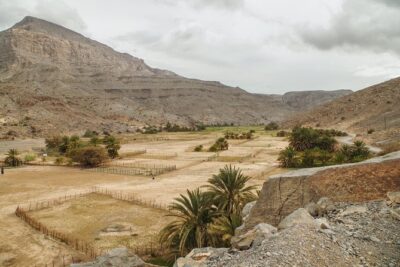
Sayah is one of those places where you can feel the difference between scenery and place. The village is described as picturesque and still occupied by desert-dwelling Bedouin people. You’re not just seeing a building or a viewpoint, you’re visiting a living community.
Then comes the main attraction: ancient petrographs. These are described as around 3,000-year-old rock paintings splattered on the rock face. That detail matters, because it implies more than a single symbol or carved mark. It suggests a concentrated image surface, the kind of rock that invites you to look longer.
A practical tip here: give yourself a minute to adjust your eyes. Rock art can be subtle, and you’ll likely be shown where to look. Wear comfortable shoes, because even short uneven steps can be tiring after the drive.
This stop is also why the tour feels more “authentic Oman” than just another coastal viewpoint. It links the modern day to ancient land use, and it helps you understand why Musandam isn’t just pretty, it’s layered.
Other 4WD days across Khasab
Jebel Harim summit area: radar, panoramic views, and Khawr Najid’s payoff
Jebel Harim is the highest peak in Musandam, and the summit area includes a radar station. That piece of information is more than a fun fact. It gives you context for what you’re looking at below: shipping moves through the Straits of Hormuz, far beneath these mountains. The radar station exists because this corridor is busy and strategic.
From those heights, the panoramic views are the main event. You’ll get sightlines back toward Khasab, and onward toward Dibba. And you’ll also get the kind of scene that makes people stop talking. The sea, the peninsulas, the angles of coastline, it all starts to feel like a map you can stand inside.
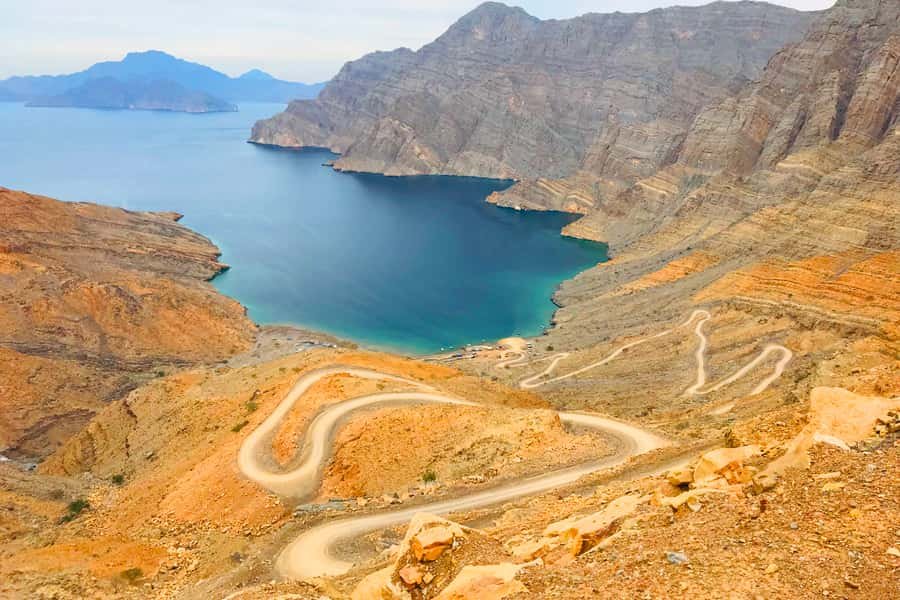
The strongest photo moment is the Khawr Najid viewpoint, called out as offering an unmatched vista over the Indian Ocean. If you care about photography, this is the time to slow down. Don’t rush your shots. Take a breath, check the light, and let your eyes adjust to the vastness.
Also, keep in mind you’re at height. Even on a half-day tour, your body notices altitude. If you’re prone to headaches, it helps to drink water early and keep your pacing steady.
Refreshments, guide quality, and how to get the most out of the ride
This experience includes light refreshments: mineral water and packed juices. The tour also includes guide services, with English support. So you’re not relying on luck to get context.
The reviews add a useful layer. People praise the guide’s friendliness and the way the driving feels safe. One reviewer specifically said the guide was extremely well prepared, communicated well, and answered questions about the country and people. Another praised Ansi as excellent, with a warm, upbeat style.
Karak tea shows up too. That same strong review mentioned Karak tea as a standout. It’s not listed in the basic inclusions, but it’s clearly part of what good guides may offer, and it fits the vibe of the day: mountain views plus a moment to warm up or reset.
How to get the most value:
- Ask questions about what you’re seeing at each stop. The route is packed with “why” moments, not just “what.”
- Stay close to the group at fossil and petrograph areas. You’ll get more out of the explanations if you can hear.
- Use the viewpoint stops as breaks. Don’t treat them like traffic lights. Let them do their job.
Who this tour suits best, and who should skip it
This is best for you if you want a half-day outdoors experience that still teaches you something. You don’t need to be a geology nerd, but you’ll enjoy it if you like learning by looking at real evidence: fossils, rock art, and how the mountains connect to ancient sea life.
It’s also a good fit if you want a private group, because the guide services make it easier to ask questions and move at a comfortable pace for your group.
Skip it if any of these apply:
- You are pregnant, since it’s listed as not suitable.
- You have mobility impairments, since the tour is not suitable for that.
- You strongly dislike rough roads or heights. Even with careful driving, the high-altitude mountain setting is part of the point.
If you’re traveling with older kids or teens who like nature, this one can work well. Just set expectations that you’ll be doing short look-and-walk moments, not a long hike.
Price and value: is $269 per group up to 2 worth it?
At $269 per group, for up to 2 people, the price isn’t low. But it also isn’t random. You’re paying for several things happening at once: private group attention, a half-day 4WD safari, guide services, and included refreshments, plus the time and effort needed to reach Jebel Harim’s viewpoints.
Here’s how I think about value for this specific tour.
- If you want one organized trip that covers multiple “wow” stops, it’s efficient. You get Khasab area pickup, mountain viewpoints, fossil and rock-art interest, and the Khawr Najid payoff in a single outing.
- If you’d otherwise try to DIY the route, you’d still need a driver, a vehicle suited for mountain roads, and a plan for where to stop. That can quickly add up, even before you consider the value of the explanations.
- If you’re the type who hates paying for guides and prefers reading on your own, this one may feel expensive. But if you actually enjoy learning what you’re seeing, the guide’s role is the difference between random scenery and meaningful stops.
The one review note that fits here is that the high price for two can feel off-putting. If that’s you, the simple math is: this tour gets more reasonable when you’re splitting cost with one other person, and less reasonable when you’re going solo and paying the same group rate. If you can find a second travel buddy, you’ll feel the value more.
Should you book the Jebel Harim half-day safari?
I’d book it if you want Musandam mountains with real substance: fossils, ancient petrographs, and mountain views that reach into the Straits of Hormuz world below. It’s the kind of half-day that doesn’t only give you photos, it gives you reasons to notice details.
I wouldn’t book it if you need an easy, flat outing, or if rough roads and altitude make you uncomfortable. And if you’re on a tight budget, the per-group price might make you pause, especially if you’re traveling alone.
If you do book, one smart move is to show up with comfortable shoes and a curiosity mindset. This route rewards people who look closely and ask questions, and the guide quality, including the positive feedback for drivers like Ansi, is a big part of why the day works.
Back by Lunchtime


4WD Days Across Khasab
Musandam, Three More Fjord Days


Elsewhere in Khasab, also reviewed
- Half-Day Dhow Cruise
★ 4.5 · 3 reviews - Khasab Musandam Mountain Safari
★ 5.0 · 4 reviews - Full day Dhow: Khasab, Musandam: Dolphins, Snorkeling & Fjords
★ 5.0 · 4 reviews - Khasab: Overnight Cruise on Traditional Dhow for 24 hours
★ 4.6 · 4 reviews - Khasab Dhow Cruise Full day, Buffet Lunch on Board, swimming
★ 5.0 · 5 reviews
Musandam & Khasab Dhow Cruises, compared.
 ★ 4.9Khasab: Half-Day Dhow Cruise, Dolphin Watching, & SnorkelingFrom $37507 reviews
 ★ 4.7Khasab: Half-Day Dhow Cruise with Dolphin WatchingFrom $37189 reviews
 ★ 4.8Khasab: Dolphin Watching Day Tour with Snorkeling & LunchFrom $65188 reviews
 ★ 5.0Khasab Musandam Full Day dhow cruise with lunch and SnorkelingFrom $50186 reviews
 ★ 4.7From UAE: Musandam Khasab Dolphin Watching Trip with LunchFrom $140173 reviews
 ★ 5.0Full-Day Dhow Cruise in Khasab MusandamFrom $56151 reviews
 ★ 4.8Khasab: Khor Sham Half-Day Cruise with Snorkeling & DolphinsFrom $45143 reviews
 ★ 5.0Khasab Musandam Half Day Dhow CruiseFrom $40107 reviews
Browse the lists this tour appears in