

REVIEW · DESERT CAMPING & BEDOUIN NIGHTS
Sunset desert safari Salalah with Dinner in a Bedouins camp
Four stops, one serious desert mood. This Salalah sunset safari threads UNESCO frankincense country into the Empty Quarter and ends with dinner in a Bedouin-style camp. It is a long day (about 8 hours), but the route feels like a smart sampler of Dhofar, not just a drive to sand.
I really like two things about it. First, the pacing starts calm with Wadi Dawkha’s frankincense trees and history, then gradually shifts toward bigger, harsher desert scenery. Second, the experience comes with thoughtful comfort touches like Omani local tea, coffee, and snacks, plus an English and Italian speaking guide.
One thing to plan for: admission for the Lost City of Ubar (often labeled Ubar or Wubar on sites) is not included. You will need to budget 3 OMR per person when you get there.
In This Review
- What I’d highlight before you go
- Salalah to the dunes: the 1:00 pm schedule that works
- Wadi Dawkha: start with UNESCO frankincense trees, then ease into the desert
- Thumrait: a practical pause for souk energy and farm country
- Wubar, the Lost City of Ubar: ruins tied to the frankincense trade
- Empty Quarter: standing in the biggest sand desert, Rub’ al-Khali
- Dinner in a Bedouin camp: the human finish to a sand-heavy day
- English and Italian guide, private group, and why organization matters
- Price and value: what $150 covers, plus the one add-on
- Who this tour suits best in Dhofar
- Should you book this sunset desert safari from Salalah?
- FAQ
- What time does the tour start in Salalah?
- How long is the sunset desert safari?
- Is pickup included?
- Is this a private tour?
- What languages is the guide available in?
- What’s included in the price?
- What is not included?
- Can I get a full refund if I cancel?
What I’d highlight before you go
- Wadi Dawkha UNESCO frankincense trees for a peaceful start with thousands of ancient trees
- Thumrait stop for a real-world look at agriculture and local commerce, plus a souk
- Wubar ruins (Lost City of Ubar) with well-preserved remnants tied to the frankincense trade
- Empty Quarter scale with dunes reaching over 300 meters, plus the desert’s extreme conditions
- Bedouin camp dinner after the dunes, with included tea, coffee, and snacks
- Private tour feel for your group, with pickup offered and guided by English or Italian
Sleeping out there? Other camps we rated
- Magical Night Stay in Rub Al Khali Empty Quarter Desert Salalah★ 5.0 · 35 reviews
- 2-Day Overnight Desert Experience★ 5.0 · 10 reviews
- Desert Overnight in Private Bedouin Tent★ 5.0 · 9 reviews
- Golden Dunes Getaway: Overnight Safari in Salalah’s Empty Quarter★ 5.0 · 9 reviews
Salalah to the dunes: the 1:00 pm schedule that works
This tour starts at 1:00 pm and runs about 8 hours, which is a good setup for a true sunset desert experience rather than an early-morning sightseeing loop. Pickup is offered, and the tour is private, meaning it is only your group out on the route. That matters if you want fewer hassles, easier photo stops, and a guide who can adapt pacing to your questions.
You also get a mobile ticket, plus confirmation at booking. The meeting point is described as near public transportation, so if you are not using the pickup, you should be able to find it without turning your afternoon into a scavenger hunt.
Another practical plus: you travel with an English and Italian speaking guide. If you land on a guide like Mohammed, he is specifically praised for being friendly, organized, and informative, and that kind of guide can make the difference between seeing ruins and actually understanding why they mattered.
Wadi Dawkha: start with UNESCO frankincense trees, then ease into the desert
Wadi Dawkha is the kind of place that gives you context fast. It sits about 40 kilometers north of Salalah in Oman’s Dhofar region, and it is tied to UNESCO World Heritage status. This wadi is described as a stony, semi-desert valley where you can wander through groves of thousands of ancient frankincense trees.
The frankincense angle is more than a nice story. The sap is the prized part, and the tour includes chances to learn about traditional methods of frankincense harvesting. If you have ever smelled frankincense and wondered where it really comes from, this is where the idea becomes real: you are looking at the source and the landscape that supported the trade.
Admission is listed as free, and the stop is about 2 hours. That time window is long enough to stroll, take photos, and absorb the setting without rushing. The main consideration is simply comfort: since the area is semi-desert and stony, I suggest wearing shoes that work on uneven ground and sunglasses if you burn easily.
Thumrait: a practical pause for souk energy and farm country
Next comes Thumrait, about 100 kilometers north of Salalah. This is not a “pretty for photos” stop as much as it is a feel-for-the-region pause. Thumrait is described as a major commercial hub in Dhofar, with a livestock market, agricultural activity, and industrial development around it.
What I like here is the mix. You get a glimpse of what people raise and sell, not just what tourists photograph. The fertile plains around Thumrait support crops like dates, mangoes, and pomegranates, so you are seeing agriculture at work in the region’s day-to-day economy.
There is also a souq stop, where you can browse local products like fresh produce, handicrafts, and traditional Omani textiles. Admission is listed as free, and again you get about 2 hours. It is a good length for wandering without feeling like you are stuck in one place too long before the desert part hits.
If you prefer shopping in structured markets over spontaneous browsing, this stop can be your sweet spot. If you dislike markets, treat it as a short cultural reset before the ruins and dunes.
Wubar, the Lost City of Ubar: ruins tied to the frankincense trade
Then the itinerary heads to The Lost City of Wubar (sometimes spelled Ubar), a historical site in Oman’s Dhofar province. It is often referred to as the Atlantis of the Sands, and the nickname makes sense because the story feels half-myth and half-archaeology.
The key idea is that Wubar was once a bustling trading hub connected to the frankincense trade. That trade linked the Arabian Peninsula to ancient civilizations far beyond Oman, and the ruins are what you use to picture that network.
What you can expect to see here is described as well-preserved remains, including ancient buildings, fortifications, and a vast system of underground irrigation channels. That last detail is the one I always find fascinating because it shows how people beat harsh conditions with engineering, not wishful thinking.
The tour schedule gives you about 2 hours at Wubar. Admission is not included, and the cost is 3 OMR per person. That is the only extra ticket mentioned in the itinerary, so I would treat it as the one-line budget item you should remember.
One more consideration: archaeological sites often involve walking across uneven areas and spending time outdoors, so bring sun protection and plan on a bit of shifting attention, from big-picture trade history to small ruin details.
Down in Dhofar, more days out

Empty Quarter: standing in the biggest sand desert, Rub’ al-Khali
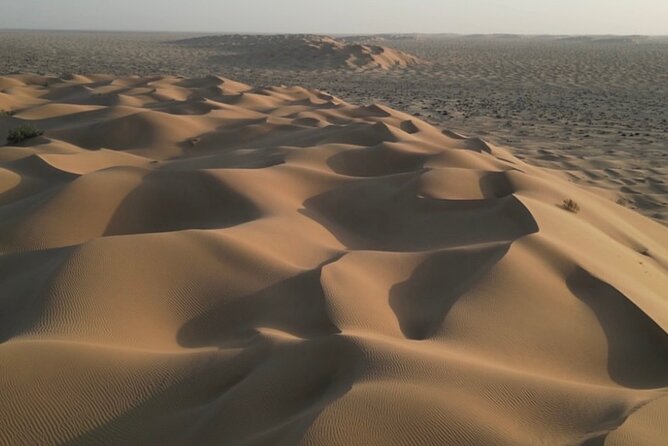
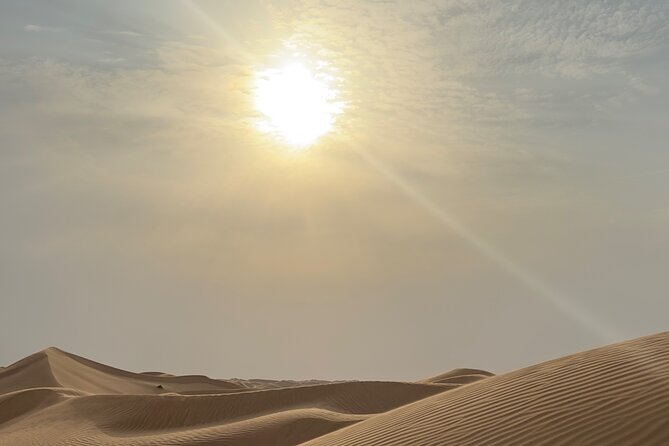
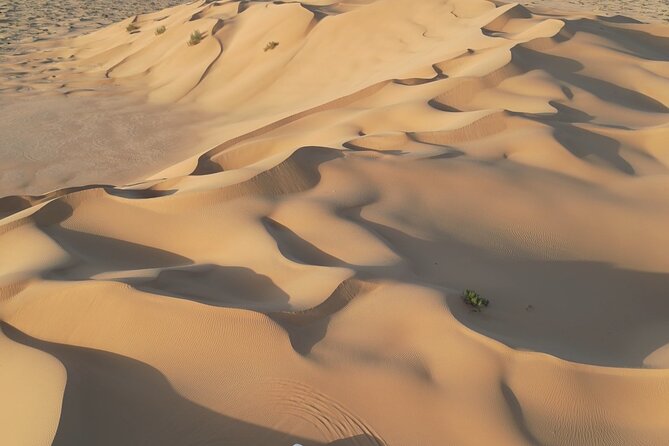
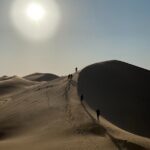
Now you reach the portion that gives the tour its name: time in the Empty Quarter, also known as Rub’ al-Khali. This is described as the largest continuous sand desert in the world, spanning parts of Saudi Arabia, Oman, Yemen, and the UAE. In Oman, the dunes stretch into a dramatic expanse that feels enormous in scale.
You get a sense of that scale because the tour description points out that dunes can reach over 300 meters. It also explains why the place is so intense: extreme temperatures, scarce rainfall, and harsh desert conditions.
Here is what I think is valuable for you to know ahead of time. The Empty Quarter is not just sand. It is a living system of adaptation. The desert is described as home to animals like sand gazelles, Arabian oryx, and various reptiles. The tour does not promise close-up wildlife encounters, but knowing the desert has real inhabitants helps you look beyond the surface.
This stop is scheduled for about 2 hours, and admission is listed as free. It is long enough to appreciate the scale without feeling like a survival exercise. Still, treat it as a hot-weather setting by default, and adjust your behavior accordingly: go slower in the sun, keep your eyes on the horizon for dune contours, and save your phone battery for the best angles.
Dinner in a Bedouin camp: the human finish to a sand-heavy day
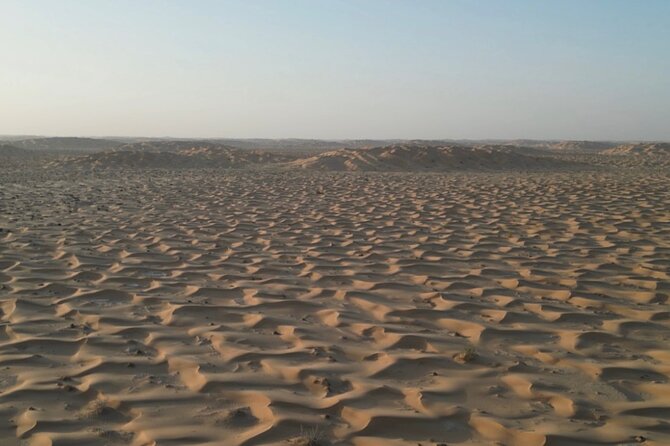
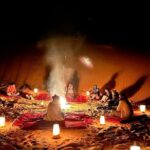
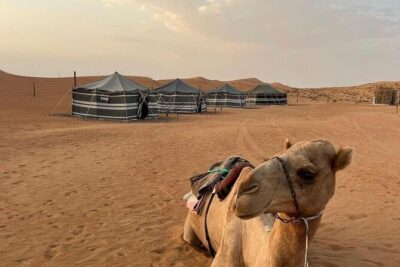
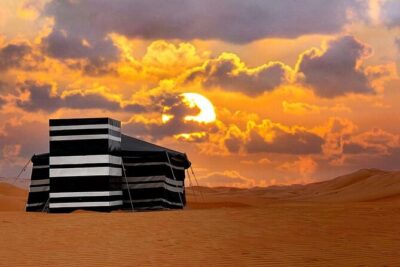
After the desert driving time, you head to the camp portion of the experience. The tour name is explicit: you get dinner in a Bedouins camp, timed for sunset desert vibes.
What is included during the day is not just dinner. Snacks are included, and you also get Omani local tea and coffee along the way. That matters because it keeps the day from turning into a constant scramble for food. You are not just paid to sit in a vehicle, you are fed and guided.
From the written feedback tied to this experience, the camp meal gets serious praise as a highlight. One review calls out super food, and another emphasizes the guide explaining things clearly. That combination is what you want at the end of a long day: not only a place to eat, but also a sense that your time in the desert and around the heritage stops had meaning.
Practical tip: dinner in a camp setting usually means you may be seated outdoors and close to the night chill that desert areas can bring. If you run cold, having a light layer helps. If you do not, you will still enjoy moving from bright dunes into evening without feeling rushed.
English and Italian guide, private group, and why organization matters
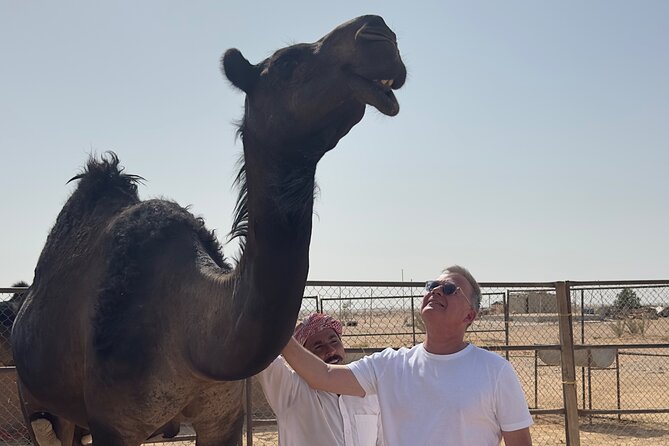
This tour is rated 5 out of 5 based on 18 reviews, and it shows up in the themes: people keep calling it friendly, organized, and informative. In plain terms, that is a big deal on a route like this.
A route with four major stops, some of them outdoors and some of them cultural, can feel chaotic if your guide is guessing. Here, the guide work is clearly part of the value. You also get English and Italian speaking support, so you are not left piecing things together with hand gestures.
If you land on a guide like Mohammed, the name comes up in feedback for explaining a lot and keeping everything smooth. That kind of delivery helps you do more than take photos. It helps you connect Wadi Dawkha frankincense harvesting, Wubar’s irrigation channels, and the Empty Quarter’s harsh conditions into one bigger story about how people live and trade in extreme environments.
And because it is private, you get that guidance without feeling like you are standing in someone else’s tour schedule. That can be worth a lot when you are trying to enjoy the quieter moments, like strolling a frankincense grove or pausing for evening camp photos.
Price and value: what $150 covers, plus the one add-on
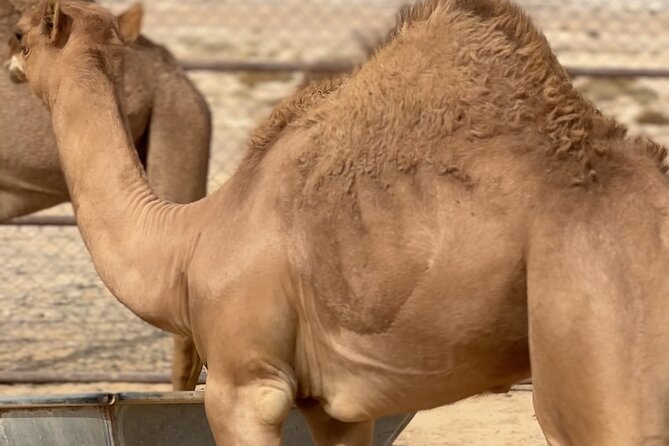
The price is $150 per person, and it is set for a full 8-hour experience with pickup offered, a private-group format, a guide (English and Italian), and included snacks plus Omani tea and coffee.
That is a fair setup if you want a guided day rather than piecing together your own transport across remote areas. You are also getting multiple context stops, not only desert time. Wadi Dawkha and Wubar are the “heritage brain” part of the day, Thumrait is the “everyday Oman” part, and the Empty Quarter and camp are the “sand and sunset” part.
The one cost to remember: Ubar admission is not included, and the tour lists 3 OMR per person. Everything else in the itinerary is marked as free admission. So if you budget for that ticket, you should be able to avoid surprise expenses.
Booking timing: the average booking is 9 days in advance. If you are traveling during busier periods or you want a specific pickup time, booking around that window is a sensible move.
Who this tour suits best in Dhofar
This is a good fit if you want variety in one day. You will go from frankincense trees in a protected setting, to a trading and agriculture hub in Thumrait, to archaeological ruins linked to ancient commerce, and finally to the Empty Quarter with dinner at a Bedouin-style camp.
It also suits couples or friend groups who like a private schedule. You are not competing with strangers for guide attention, and you can ask questions at Wadi Dawkha or Wubar without being rushed.
Most people can participate, but I would still be honest about the reality of a desert day. The Empty Quarter is described as extreme and harsh in conditions, so this is better suited to travelers who are okay with heat, sun, and long outdoor stretches. If you want a gentle walk and mostly indoor stops, you might find the desert portions challenging.
If you are history-curious, you will likely enjoy Wubar because the tour description emphasizes trade connections and practical engineering, like those underground irrigation channels. If you are just chasing views, the dunes and sunset camp atmosphere are your payoff.
Should you book this sunset desert safari from Salalah?
Yes, you should book it if you want a single organized day that connects frankincense heritage to the Empty Quarter and ends with a camp dinner. The overall package strength is the combination of guided context plus the included comforts like tea, coffee, and snacks, plus the consistently strong feedback about friendly, organized guidance.
Skip it or think twice if you dislike paying extra at the start for the Wubar admission ticket, because 3 OMR per person is not included. Also consider your tolerance for long outdoor segments and desert conditions.
My practical bottom line: this is the kind of tour that makes sense when you want more than a quick dune drive. You want the route to explain itself as you go, and this one is designed to do that from start to camp dinner.
FAQ
What time does the tour start in Salalah?
The tour start time is 1:00 pm.
How long is the sunset desert safari?
The duration is listed as about 8 hours.
Is pickup included?
Yes, pickup is offered.
Is this a private tour?
Yes. It is described as a private tour/activity, so only your group participates.
What languages is the guide available in?
The tour includes a guide who speaks English and Italian.
What’s included in the price?
Included items are snacks, Omani local tea and coffee, and guidance from the English and Italian speaking guide.
What is not included?
The only specific admission fee listed as not included is Lost City of Ubar (Wubar) admission, which is 3 OMR per person.
Can I get a full refund if I cancel?
Yes. Free cancellation is available, and you can cancel up to 24 hours in advance for a full refund. If you cancel less than 24 hours before the start time, the amount is not refunded.
4WD Days Across Salalah



More of Dhofar
A Night Under the Dunes

Elsewhere in Salalah, also reviewed
- Half-Day Private Salalah East Tour
★ 5.0 · 3 reviews - Salalah City Tour :Salalah Tours
★ 5.0 · 3 reviews - Salalah East Tour (Full Day Tour)
★ 5.0 · 3 reviews - West Coast Mountains and Beaches (Fazayah beach + Shaat cliff)
★ 5.0 · 3 reviews - Jebel Safari – Tour della montagna
★ 5.0 · 3 reviews
Desert Camping & Bedouin Nights, compared.
 ★ 5.0Wahiba Sand Desert-Bedouin House-Wadi Bani Khalid – Full Day TourFrom $19489 reviews
 ★ 5.0Private 2 – Days Wahiba Sand Desert Overnight Camping ToursFrom $44441 reviews
 ★ 5.0Magical Night Stay in Rub Al Khali Empty Quarter Desert SalalahFrom $27535 reviews
 ★ 4.4From Muscat: Desert Overnight and Wadi Bani KhalidFrom $55031 reviews
 ★ 4.7Luxury Overnight Desert Safari in SalalahFrom $24531 reviews
 ★ 4.9From Muscat: Guided Overnight Desert Camp TourFrom $58928 reviews
 ★ 5.02-Day Private Wahiba Sands Desert Camping Tour from MuscatFrom $54021 reviews
 ★ 5.0Traditional Omani Dinner in Muscat Desert SandsFrom $6915 reviews
Browse the lists this tour appears in