
REVIEW · EMPTY QUARTER & RUB AL KHALI SAFARIS
Desert Safari in Empty Quarter with Dune Bashing
Desert days in Oman have a way of getting under your skin. This 9-hour Empty Quarter safari links UNESCO heritage with real desert time, and you get a sunset moment that feels built for photos and for quiet awe. You’ll move from Salalah or Taqah into Dhofar’s frankincense world, then head out toward the Rub al Khali, also called the Empty Quarter.
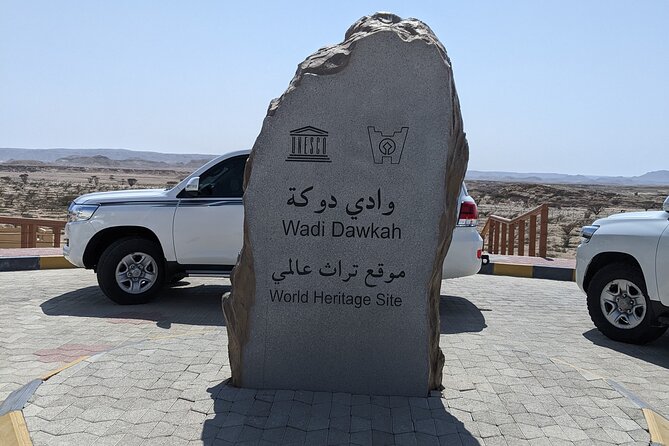
I love how the day is structured around meaning, not just driving. Wadi Dawkha shows you the frankincense trees that shaped trade and culture, and Ubar brings the story to life with an on-site museum tied to archaeological discoveries.
One consideration: the route is long and the terrain can be rough, so you’ll want comfortable, steady shoes and a moderate fitness level, plus you should treat dune bashing as optional and at your own risk.
In This Review
- Key highlights you will actually care about
- From Salalah to Wadi Dawkha, where frankincense turns into a real story
- Ubar in the UNESCO mix, and why remote sensing matters
- The Empty Quarter, Rub al Khali, and how sunset really works here
- Dune bashing: optional, thrilling, and not for everyone
- What the 9-hour day feels like, including driving and walking
- Value check: what $216 covers, what it does not, and where extras appear
- Who will love this, and who should reconsider it
- If you get a great guide, the day gets better fast
- Should you book this Empty Quarter safari in Salalah?
Key highlights you will actually care about
- UNESCO stops that are close together: Wadi Dawkha (frankincense trees) and Ubar (Lost City) are built into one day.
- A guide who can shift the day into better moments: people rave about guides like Adnan Safrar and Salem for answering questions and finding spots away from big crowds.
- Optional dune bashing in the Empty Quarter: thrilling if you want it, but you can choose not to join.
- Small group setup in 4WD vehicles: maximum of 4 pax per vehicle for safety.
- Limited or no signal once you’re out in the desert: plan on being offline for a good chunk of the trip.
- Sunset timing that matches the drive: you’ll head back after spending enough time out in Rub al Khali.
Further into the Empty Quarter
- Sunset Desert Safari Salalah Tour in Rub Al Khali – Empty Quarter★ 5.0 · 91 reviews
- Salalah: Sunset Desert Safari – Rub Al Khali – Empty Quarter★ 4.6 · 79 reviews
- Empty Quarter Desert Sunset tour★ 5.0 · 55 reviews
- Desert Safari, Sunset & Sand Bashing (Rub Al Khali Desert)★ 5.0 · 44 reviews
From Salalah to Wadi Dawkha, where frankincense turns into a real story
Your day starts with hotel pickup in the Salalah or Taqah area, then a drive of about an hour to the first UNESCO stop. From there, the itinerary keeps moving, with each destination roughly 30 minutes to 1 hour apart depending on conditions. The pace makes sense here, because Dhofar’s heritage sites and the Empty Quarter are not next door to each other.
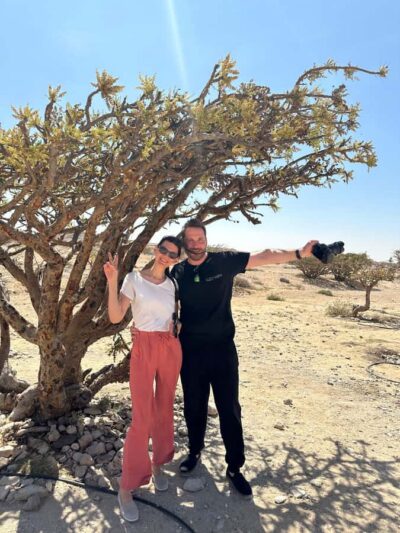
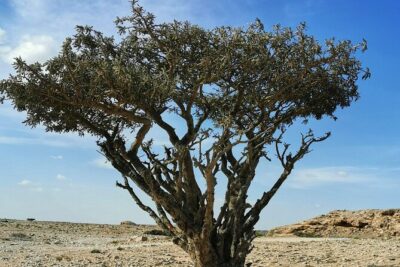
Wadi Dawkha is the kind of place that changes how you think about frankincense. You’re not just hearing a lecture, you’re seeing naturally grown frankincense trees, described as the largest collection in the region. The visit also connects the ancient incense trade to how frankincense is used in the modern world, which helps the whole UNESCO story land.
This stop includes free admission and is timed for a break in the middle of the transfer day. You’ll likely spend about 30 minutes here, enough time to walk around, learn what matters, and take in the smell if your timing is right. It’s also a nice warm-up for the desert later, because the setting feels arid and slow, not a theme-park version of wilderness.
Practical tip: wear breathable clothing, but keep your arms and legs comfortable for sun and dust. If you’re the type who hates feeling rushed, you’ll appreciate that this first stop isn’t long.
Ubar in the UNESCO mix, and why remote sensing matters
Next up is the Lost City of Ubar, another UNESCO World Heritage site. The big idea is that this place wasn’t found by traditional digging first, it was identified using remote sensing methods in 1992, and then archaeological work followed. Standing at the site helps you picture what it means for a trading hub to disappear under rising dunes over centuries.
Historically, the site is thought to have been inhabited from around 2800 B.C. to about 300 A.D. It’s described as an important trading center for frankincense, which connects back to what you saw at Wadi Dawkha. The story becomes less abstract when you realize that incense commerce shaped journeys across harsh terrain, and those journeys left traces.
At the site, there is a small museum with archaeological discoveries. It’s not a huge museum stop, but it gives you just enough context to make the ruins feel grounded instead of mysterious. Entrance is included here, which is a smart value point because UNESCO sites can add up quickly on DIY days.
Walking is part of this stop, and the ground can be uneven. This is one of the moments where your footwear choices matter more than your fashion choices. If you bring expensive accessories, consider leaving them at the hotel or keeping them covered, because the desert does what it does.
If you’re lucky with your guide, you may get extra explanation that ties Ubar’s location and story to what you’re seeing around you. In the feedback I saw, guides like Adnan Safrar were praised for knowing the country and for answering questions without making you feel rushed.
The Empty Quarter, Rub al Khali, and how sunset really works here
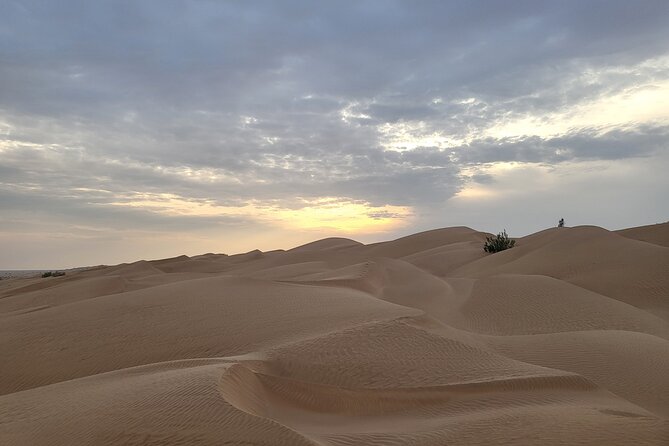
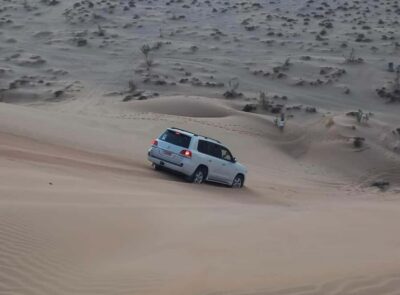
The main event is the Empty Quarter, Rub al Khali. This is the bleak, arid desert that stretches from mountain foothills out into an enormous sandy plain, covering much of the area. It’s also known for archaeological sites, so even when the desert looks empty, it can still be historically significant.
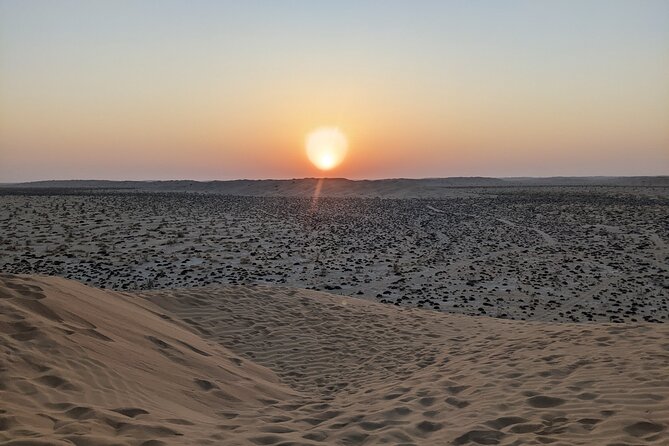
Your timing is built around sunset viewing. The schedule notes that you can anticipate sunset around the 12:30 timing option, and you’ll then allow enough time out in the desert before heading back. After the desert portion, plan on at least 1 hour 30 minutes driving back to the city.
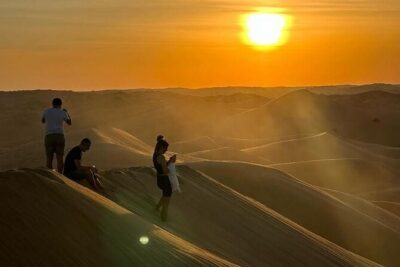
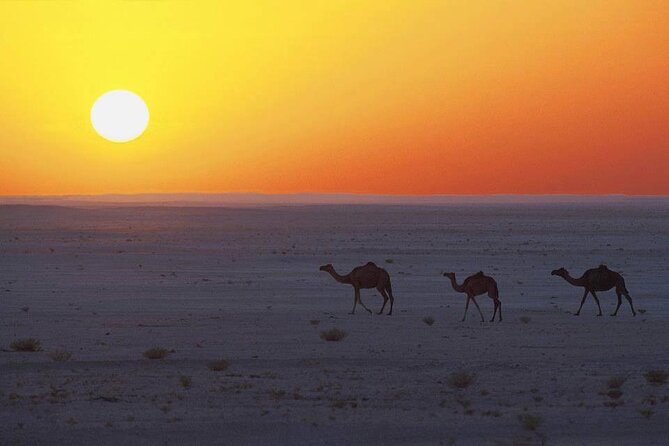
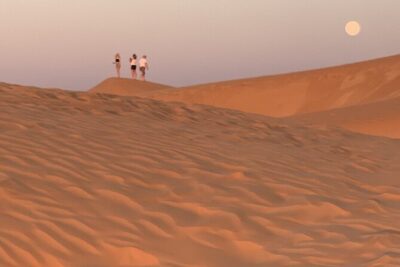
This is where the “experience” side of the tour becomes real. Dunes change with light, and that half day glow can make the desert feel bigger than it does at noon. If you’re the type who likes quiet moments, sunset here is the kind where you stop thinking about logistics and just watch.
Dune bashing: optional, thrilling, and not for everyone
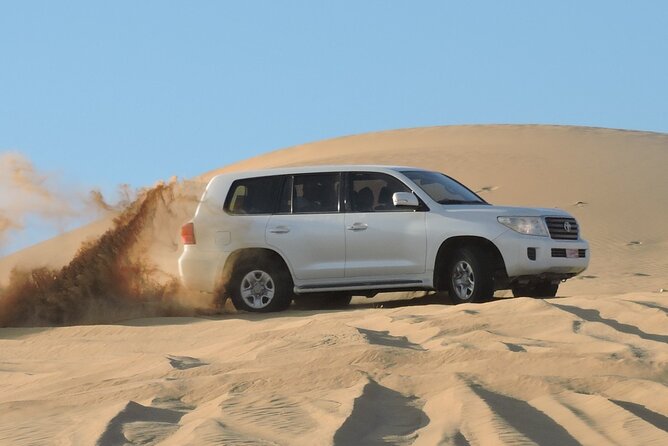
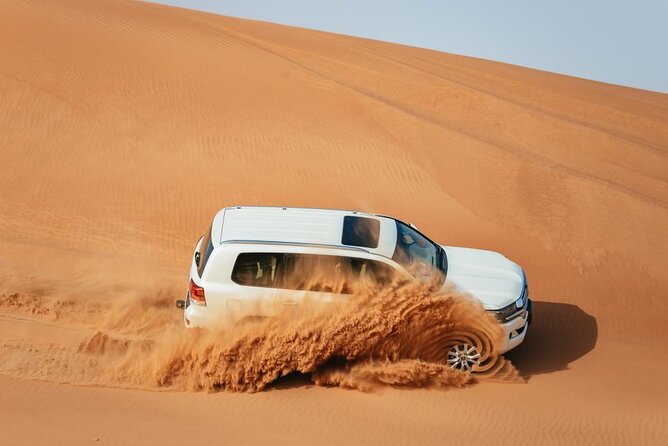
Dune bashing is offered as an option in the Empty Quarter. The key point is that it is allowed at your own risk, and it is described as a thrilling activity. That means you should only join if you’re comfortable with a rough ride, and if you’ve got any motion sickness concerns, take that seriously before you say yes.
If you choose not to join, you can still enjoy the wider desert moments and the sunset viewing. Either way, it’s a good idea to keep your camera secure. Loose items in a moving 4WD can become problems fast.
Also note the reality check: there’s limited to no signal at the camp or in the desert. Don’t count on posting updates in real time. Instead, enjoy the day as a day.
Other 4WD days across Salalah

What the 9-hour day feels like, including driving and walking
Even though the tour runs about 9 hours total, you’re not just sitting in a vehicle. It’s a mix of travel time, UNESCO site time, and enough desert time to make the drive worth it.
From Salalah or Taqah hotels to the first UNESCO stop is at least 1 hour, and then each destination takes another 30 minutes to 1 hour. Once you reach the desert area, you spend time out there and then turn back with a longer drive window to get you home.
The vehicle setup is important for comfort and safety. This is a private tour/activity, and it’s run with 4WD vehicles that can carry a maximum of 4 pax per vehicle due to safety regulations. That small size tends to feel more personal, and it also makes it easier for your driver to adjust driving based on the conditions and your group.
Walking matters too. The notes mention rough and inclined ground across most parts of the day, so you’ll want shoes with grip and comfort that you can walk in for stretches. You don’t need hiking boots necessarily, but you do need traction and support.
Bring a light layer for sun and dust, and avoid expensive accessories. This isn’t a place to stress about keeping everything perfect. The desert will reward a practical mindset.
Value check: what $216 covers, what it does not, and where extras appear
At $216 per person, this safari isn’t just a generic dune ride. You’re paying for private transportation, an air-conditioned vehicle, bottled water, and all fees and taxes, plus Ubar entrance fee is included. Wadi Dawkha admission is free, which helps keep the day’s costs straightforward.
A big part of the value is that the tour bundles two UNESCO stops into one outing. If you were trying to do this independently, you’d likely pay for transport and guided context anyway, and the timing would be harder to manage because the Empty Quarter drive is significant.
The main cost you should plan for is anything tied to your exact hotel location. Transfers in Mirbat hotels are an additional USD 45 per person. If you’re based somewhere else, double-check what pickup covers so there are no surprises on your day.
Not included: gratuities or tips. That’s typical for private guiding, but if you want to budget, it’s smart to decide your tipping approach before you go.
Also watch for weather. The experience notes that it requires good weather, and if it gets canceled due to poor weather you’ll be offered a different date or a full refund. This matters in desert areas, because visibility and safety are real factors.
Who will love this, and who should reconsider it
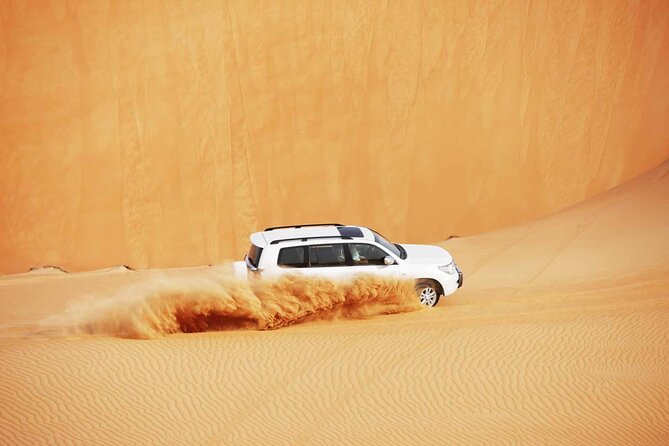
This is a great fit if you want a day that blends culture and desert in one push. You’ll enjoy it most if you like having a plan that gives context, not just a drive into sand.
It also suits groups that want a more personal feel. Since it’s private and small per 4WD, you can expect less waiting around than with big shared buses. That can be especially helpful if you’re traveling with kids or anyone who gets cranky with long stops, as long as they can handle short walks and a rough desert ride.
Who should reconsider: if you dislike walking on uneven, inclined ground, the UNESCO site stops may feel harder than you want. If you are strongly motion-sensitive, treat dune bashing as a no-go, or at least be cautious because it’s described as thrilling and at your own risk.
If you want reliable phone service, this won’t be your day. Limited or no signal at the camp or in the desert is specifically noted. If staying connected matters for work or family, you’ll need to plan ahead.
If you get a great guide, the day gets better fast
The difference between a normal desert trip and a memorable one often comes down to the guide. In the experiences shared, guides named Adnan Safrar and Salem were praised for being friendly, answering questions, and keeping the program running even with a young child in the group.
One thing I take from that: a strong guide helps you see more than the obvious points. People mentioned getting to observe things away from large crowds, which is a big quality boost in popular regions. You can’t control who you’ll be assigned, but it’s worth choosing a company that clearly cares about the day’s pacing and your comfort.
Also, a guide who knows how frankincense ties into Ubar and into modern life makes the UNESCO part feel more alive. It turns the stops into a connected story instead of three disconnected checkboxes.
Should you book this Empty Quarter safari in Salalah?
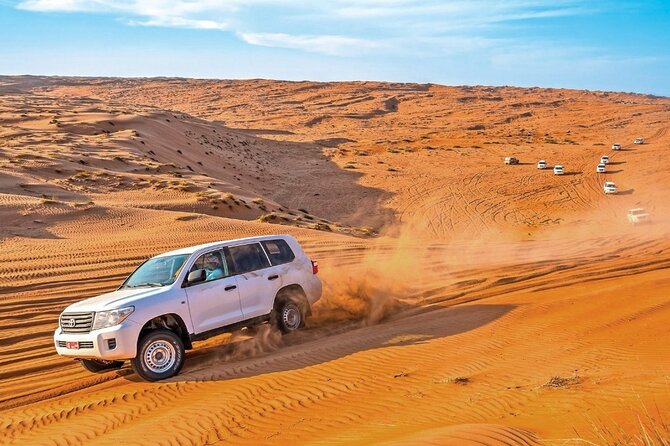
Book it if you want a single-day plan that hits UNESCO Wadi Dawkha, UNESCO Ubar, and the Empty Quarter sunset, with optional dune bashing. The price makes more sense when you consider that entrance to Ubar is included, you get bottled water and an air-conditioned vehicle, and you’re not building logistics across multiple locations.
Skip it or adjust expectations if you need strong phone signal, hate uneven walking, or you’re very risk-averse about dune bashing. This is an active desert day, not a gentle sightseeing loop.
My practical advice: pack for dust, wear grippy shoes, and decide early whether you want the dune bashing option. Then let the day do its thing. When the dunes light up for sunset and you’re far enough from the crowds, the whole trip clicks into place.
4WD Days Across Salalah
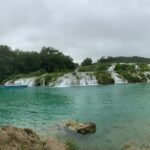

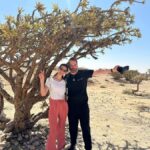

Out on the Empty Quarter
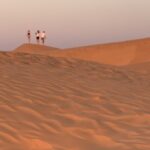


Elsewhere in Salalah, also reviewed
- Half-Day Private Salalah East Tour
★ 5.0 · 3 reviews - Salalah City Tour :Salalah Tours
★ 5.0 · 3 reviews - Salalah East Tour (Full Day Tour)
★ 5.0 · 3 reviews - West Coast Mountains and Beaches (Fazayah beach + Shaat cliff)
★ 5.0 · 3 reviews - Jebel Safari – Tour della montagna
★ 5.0 · 3 reviews
Empty Quarter & Rub Al Khali Safaris, compared.
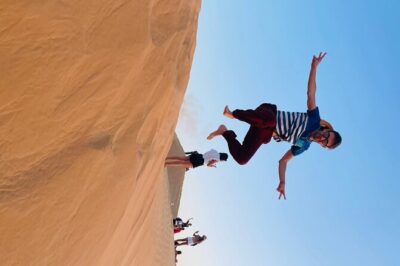 ★ 5.0Sunset Desert Safari Salalah Tour in Rub Al Khali – Empty QuarterFrom $9591 reviews
 ★ 4.6Salalah: Sunset Desert Safari – Rub Al Khali – Empty QuarterFrom $10279 reviews
 ★ 5.0Empty Quarter Desert Sunset tourFrom $15255 reviews
 ★ 5.0Desert Safari, Sunset & Sand Bashing (Rub Al Khali Desert)From $16444 reviews
 ★ 5.0Magical Night Stay in Rub Al Khali Empty Quarter Desert SalalahFrom $27535 reviews
 ★ 5.0Desert Sunset Magic – Salalah Empty Quarter ExperienceFrom $20019 reviews
 ★ 4.8Magical Desert Safari By Land Cruise in Empty QuarterFrom $15218 reviews
 ★ 5.0Desert Safari Trip Full Day & Ubar Lost cityFrom $19518 reviews
Browse the lists this tour appears in