
REVIEW · SALALAH & DHOFAR TOURS
East Salalah Tour by VisitSalalah
Dhofar east side is a visual workout. This East Salalah loop is built around big scenery swings, from Ain Razat springs to cliffs and UNESCO remnants. You get private 4×4 transport and hotel, airport, or seaport pickup, so you spend less time sorting rides and more time looking out the window.
Two things I really like: the small group cap of 7 (so your guide can actually talk) and the chance to see Dhofar’s spring and monsoon rhythm up close. One thing to consider, though, is that the ground can be rough and inclined, plus your comfort depends on how long the Wadi Darbat stretch lasts versus the advertised duration.
In This Review
- Key things that make this tour worth your time
- Ain Razat Springs, where Khareef changes everything
- Taqa Castle and Koofan House, optional entrances with real character
- Wadi Darbat, waterfalls, caves, camels, and a picnic vibe
- Khor Rori and Sumhuram, the frankincense trade capital in UNESCO form
- The quick stops you might otherwise skip: sink hole, bobab trees, antigravity
- 4×4, small group size, and why timing can feel confusing
- The guide makes or breaks it, and Mohammed has a strong reputation
- Price and value: what $160 covers, and what costs extra
- What to pack and what the rules are like on the ground
- Who should book East Salalah with VisitSalalah
- Should you book this tour or not?
- FAQ
- How long is the East Salalah tour?
- What’s included in the price?
- Are museum and landmark entrance fees included?
- What languages are available for the tour?
- Do I need to bring anything specific?
- Is lunch included?
- Is this tour suitable for everyone?
- What are the cancellation and payment options?
Key things that make this tour worth your time
- Private 4×4 transport with pickup and drop from your location in Salalah
- A local Omani guide who explains the region in English and Arabic (and yes, I’ve heard Mohammed can be excellent)
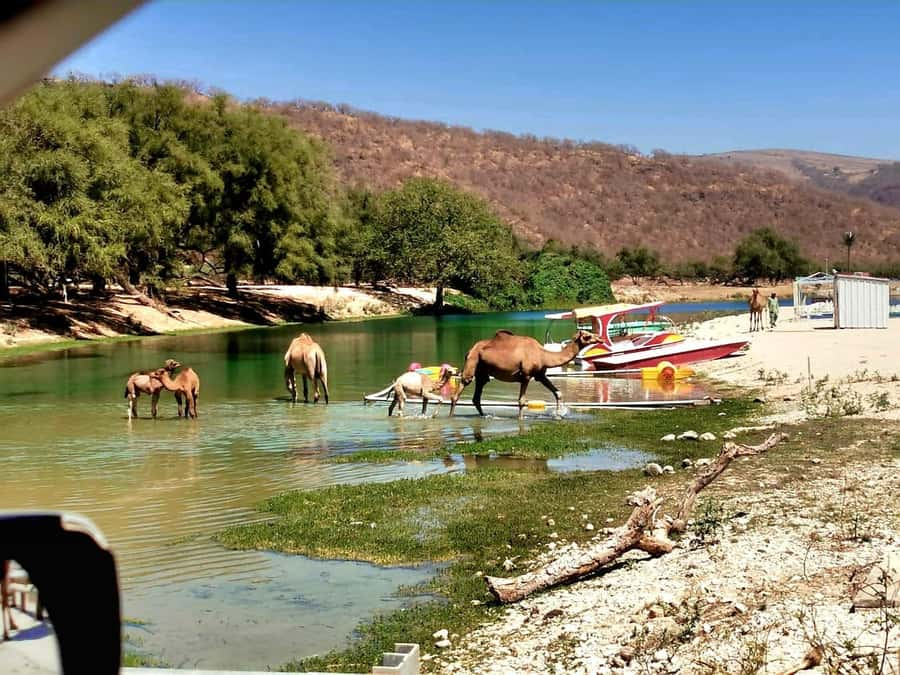
- Wadi Darbat in Khareef season, when waterfalls and caves come alive and camels show up in numbers
- Optional entrance sites in Taqa, so you control the cost and how much you want to go inside
- Khor Rori and Sumhuram, tied to the Land of Frankincense UNESCO story
- Extra roadside stops like sink holes, bobab trees, and an antigravity site, for variety and photos
Down in Dhofar, more days out
- Salalah: Half-Day Guided Tour to Wadi Darbat & Mount Samhan★ 4.9 · 46 reviews
- Salalah’s Hidden Gems: East & West Adventure★ 4.9 · 7 reviews
- Salalah East Tour: Taqah , Darbat waterfall,camel’s baobab★ 4.8 · 4 reviews
- East Salalah Tour by VisitSalalah★ 4.4 · 4 reviews
Ain Razat Springs, where Khareef changes everything
Most East Salalah tours start with a water stop, and that’s a smart move here. You begin around Ain Razat, a cluster of natural springs. Some flow year-round, others are seasonal, and the seasonal ones are strongly tied to Khareef, the monsoon period in Dhofar.
Even if you do not care about hydrology, you will feel why locals treat this as essential. Water is what turns the whole east side from dry geography into a living landscape of pools, greenery, and wildlife activity. In Khareef, that shift is dramatic, with the surrounding areas feeding into the wider valley systems you will see later.
This first stop also sets the tone: you are not just driving between photo points. You are following how the region works, one feature at a time, with your guide translating what you see into context.
Practical tip: start the day with water and sunscreen already on. Dhofar sun can be unforgiving, even when the air feels cooler in the mountains.
Taqa Castle and Koofan House, optional entrances with real character
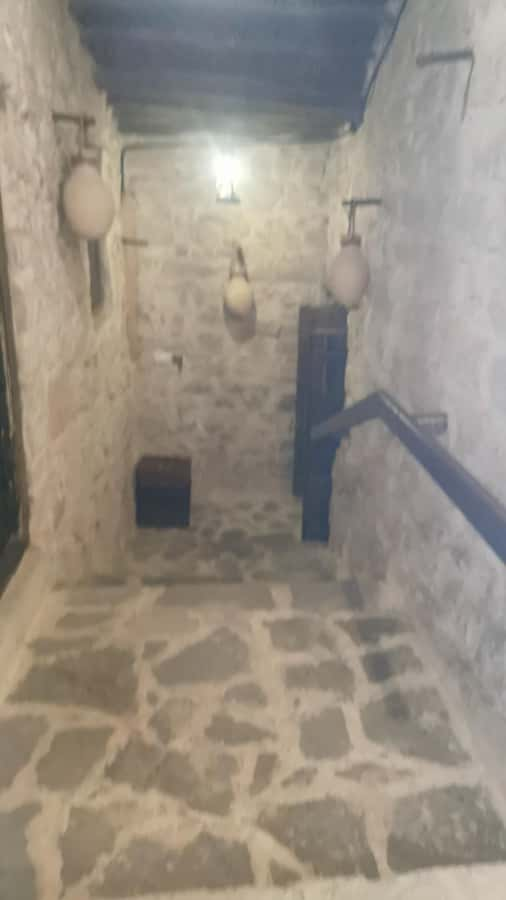
Next you swing into Taqa, the kind of coastal town that feels like a story you can walk through. The big focus is the Taqa Castle, described as a 19th-century structure. Your stop is designed for outside views, then you choose whether to pay in and explore more.
There are two more heritage stops in the same zone:
- Koofan Heritage House, described as a 150-years-old Dhofari house
- Burj Al Askar, located at the top of the cliff overlooking the castle and the coast
Here is a cost detail you should plan for: entrance is optional and paid on the spot. You might see signs and pay for whichever sites you choose, with stated fees of OMR 3 for Taqa Castle, OMR 1 for Koofan House, and OMR 1 for Burj Al Askar.
Why I like this arrangement: it respects different travel styles. If you love architecture, you can add entrances. If you prefer viewpoints and photos, you can keep it light and still get value from the stop.
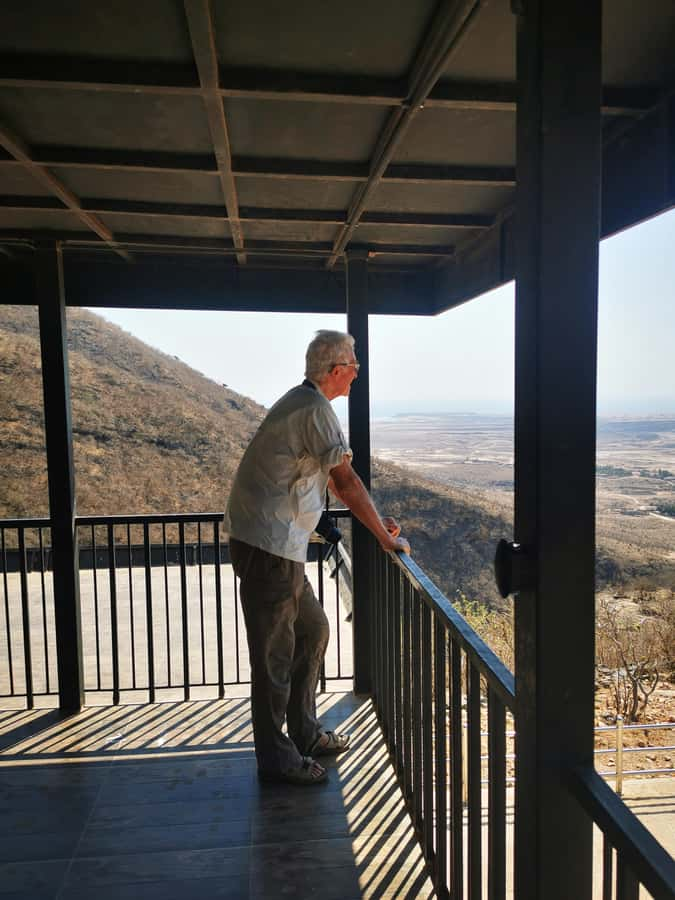
Look for the little “balcony” style moments too, where your best photos come from elevation and angles rather than inside rooms.
Wadi Darbat, waterfalls, caves, camels, and a picnic vibe
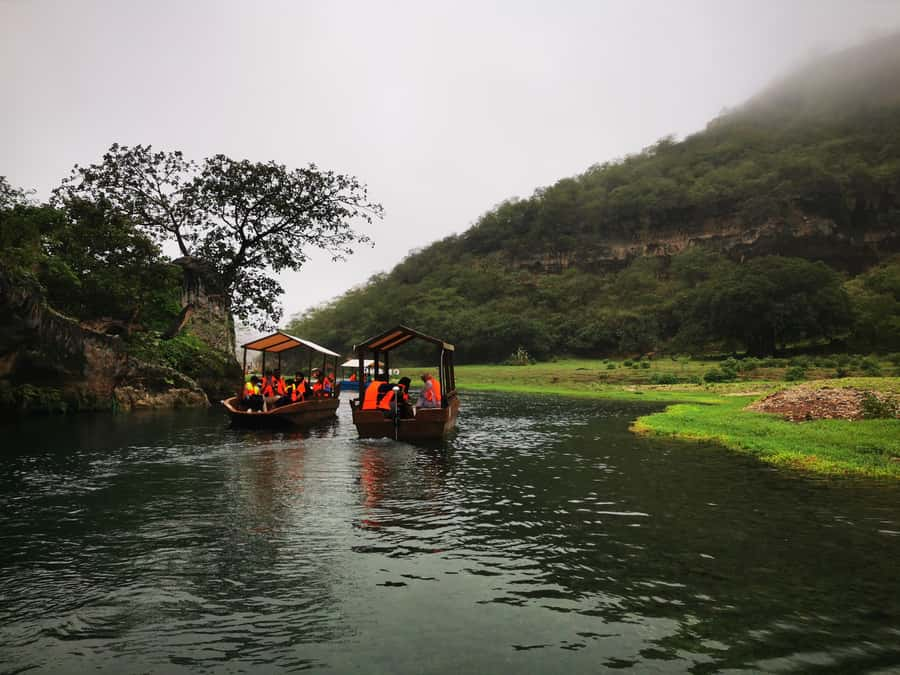
Then comes the day’s heavy hitter: Wadi Darbat. The tour frames it as a natural park in the mountains, with views over Khor Rori. What makes this stop special is that Wadi Darbat is not a single viewpoint. It is a whole system, and the guide can help you notice patterns: where water runs, where caves sit, and why certain areas feel lusher in monsoon months.
In Khareef season, the effect can be wild. Water from the mountains replenishes the wadi, and you can get waterfalls gushing from about 30 meters (100 ft.), along with cave chambers. If it is not Khareef, you will likely still see the valley, but the water features may be more subdued. Either way, it is a change of pace from coastal cliffs.
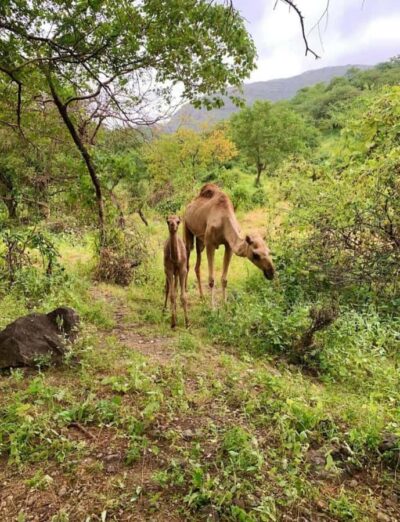
Also, this is one of the stops where Dhofar’s wildlife presence feels real. The tour highlights a large number of camels around the area. Based on the vibe I’ve picked up from guide-led explanations, it is not just a random roadside thing. It is part of how the area is used seasonally.
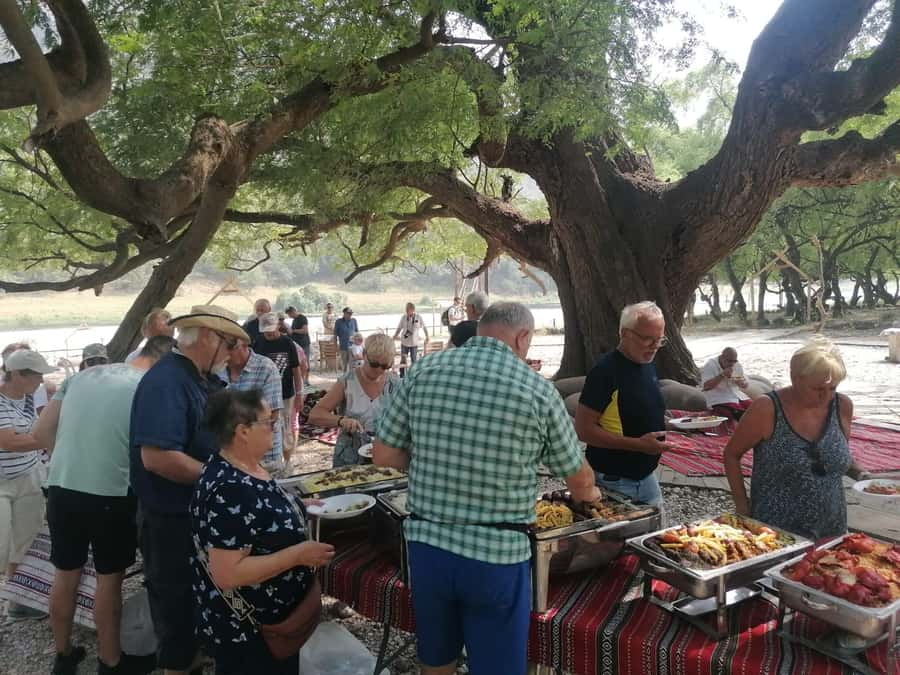
You also get a picnic area, so if you want a slower moment, this is where it fits. The tour includes snacks and water, so you can keep it simple.
One consideration: the walking is on rough, inclined ground. Wadi Darbat is not a flat stroll. Wear comfortable shoes you do not mind getting dusty. If you are traveling with knees that hate slopes, factor that in.
Khor Rori and Sumhuram, the frankincense trade capital in UNESCO form
After Wadi Darbat, you head toward Khor Rori Creek. This is where the ruins of Sumhuram sit, tied to the ancient Arabian frankincense trade and described as an important capital for that commerce.
The tour specifically points you toward the Sumhuram Museum / Archaeological Park, which is part of the UNESCO World Heritage Site known as the Land of Frankincense. Even if you keep entrances minimal, the viewpoint moments matter here. You want those angles that connect the setting to the story: trade routes, coastal geography, and why frankincense mattered so much.
One more cost reality: museum and landmark entrances are not included in the base price. So if you want to go inside, plan to pay extra when you arrive. The upside is you can decide based on energy level. By this stage, you will know whether you want a deeper museum stop or a lighter walk-and-photo approach.
If your travel style is “teach me while I watch,” this is a good section to lean into. A solid guide can make the trade story feel grounded instead of abstract.
The quick stops you might otherwise skip: sink hole, bobab trees, antigravity
This route also includes some unusual roadside attractions that are worth it mainly for variety. The highlights list:
- Sink hole
- Bobab trees
- An antigravity site
- Additional viewpoints related to the Sumhuram UNESCO area
- A Taqa balcony stop
I treat stops like these as good “breakers” between bigger heritage moments. They are not the core reason to take the tour, but they keep the day from turning into a straight line of castles and ruins. You also get more opportunities to photograph the region from different angles.
If you hate quick stops, you can ask your guide how much time each stop gets. If you like variety, you’ll probably enjoy the rhythm.
4×4, small group size, and why timing can feel confusing
The tour price is built around private 4×4 transport and a small group, limited to 7 participants. That cap matters. With fewer people, your guide can adjust explanations, control pacing, and handle photo breaks without turning the day into a queue.
If you do end up with a larger group, the operator notes that they arrange a mini bus. So what you experience depends on your day’s numbers.
Now, the timing detail you should double-check: the activity duration is shown as 4 hours, but the day plan includes an extended guided component at Wadi Darbat labeled as 8 hours. That mismatch likely means one of these is an internal segment estimate rather than the full day. Either way, it’s worth confirming before you plan lunch, airport timing, or a second booking.
The practical approach:
- Ask the company to confirm pickup time and return time in plain hours
- Plan for uneven walking time, especially in Wadi Darbat
- Keep your schedule flexible around the middle of your day
The guide makes or breaks it, and Mohammed has a strong reputation
This tour is led by a licensed local Omani English-speaking guide, and the tour also runs in Arabic. The guide is part of the value, not just a driver with facts.
One big strength I’ve heard from Mohammed is how professional and polite he can be, plus how much he knows about the region and the culture. That kind of storytelling is exactly what helps you connect the dots between Ain Razat, Taqa heritage stops, Wadi Darbat, and Sumhuram.
The only caution from experience with guides in general, and reflected in the feedback style here, is that English clarity can vary from person to person. If English is your main language, don’t assume every sentence will land perfectly. You can still get plenty of value from visuals, but it helps to be ready to ask simple follow-ups.
If you travel with someone who needs very clear narration, consider requesting a guide known for strong English delivery when you book.
Price and value: what $160 covers, and what costs extra
At $160 per person for a roughly half-day format, you are paying for:
- private 4×4 transport
- a licensed local guide
- pickup and drop from hotel, airport, or seaport
- snacks and water
For Salalah, that combo is usually where the value lives. Getting to Wadi Darbat and Khor Rori efficiently can be hard on your own without a car, and you would still want local context once you arrive.
What is not included:
- entrance fees to museums and landmarks
- the site entrances in Taqa are optional and paid on site, with the stated OMR amounts
- any extra food beyond the snacks and water
There is also the option of a local Omani lunch, provided for an additional OMR 5.000 per adult. If you like trying local meals, that can be a nice add-on. If you prefer snacks only, you can skip it and use the picnic feel in Wadi Darbat instead.
My advice: treat this tour as a transportation plus guide package, then budget separately for entrances you personally care about.
What to pack and what the rules are like on the ground
This trip is not a city bus crawl. It involves walking on rough, inclined ground. Pack for sun and uneven surfaces, even if the air looks mild.
Bring:
- passport (or passport/ID card as stated)
- sun hat and sunscreen
- comfortable clothes
The tour also has clear do-not rules, including:
- no luggage or large bags
- no jewelry
- no alcohol or drugs, and no alcoholic drinks in the vehicle
- no making noise
- no military-style clothing
- no making fire
- no electric wheelchairs
None of these are unusual for Oman tours, but they matter. The jewelry restriction surprises people sometimes. If you travel with rings or bracelets you never remove, you might want to rethink that for the day.
Also note the suitability rules: the tour is not suitable for pregnant women, wheelchair users, and people over 95 years.
Who should book East Salalah with VisitSalalah
This tour fits best if you want:
- a guided day with story-driven stops, not just driving around
- a packed route that mixes springs, heritage sites, a major valley, and a UNESCO-linked archaeological area
- small-group comfort, capped at 7
- private transport convenience, with pickup and drop built in
You might skip it if:
- you need completely flat, accessible walking (Wadi Darbat involves rough, inclined ground)
- you are strict about paying zero extra at sites, because entrances are optional and some museum areas are not included
- your schedule is tight and you cannot confirm the exact duration, since the time data in the planning info can look inconsistent
Should you book this tour or not?
If you are in Salalah and want the east side highlights in one organized day, I think this is a strong pick. The combination of Ain Razat context, Taqa heritage options, Wadi Darbat’s seasonal water drama, and Khor Rori’s frankincense heritage makes the day feel purposeful, not random.
Book it if you enjoy a guide-led pace, can handle some uneven walking, and you are okay paying site entrances if you choose to go in. Skip it if mobility is an issue or if your schedule cannot tolerate a longer Wadi Darbat stop than you expect.
Before you commit, message VisitSalalah to confirm your pickup and return times in hours, and ask which guide you will have. That one step can turn a good tour into a great one.
FAQ
How long is the East Salalah tour?
The activity info lists a duration of 4 hours, but the plan also includes a longer guided stop at Wadi Darbat. Before you go, confirm the exact start and return times with VisitSalalah.
What’s included in the price?
Your price includes private 4×4 transportation, a licensed local Omani English-speaking guide, pickup and drop from hotel, airport, and seaport, plus snacks and water during the tour.
Are museum and landmark entrance fees included?
No. Entrance fees for landmarks and the museum are not included. In Taqa, entrance is optional and paid on site, with stated fees for Taqa Castle, Koofan House, and Burj Al Askar.
What languages are available for the tour?
The guide provides a live tour in English and Arabic.
Do I need to bring anything specific?
Bring your passport (or passport/ID card as stated), sun hat, sunscreen, and comfortable clothes. If a visa is required for your trip, bring that too.
Is lunch included?
Snacks and water are included. A local Omani lunch can be provided for an additional OMR 5.000 per adult.
Is this tour suitable for everyone?
It is not suitable for pregnant women, wheelchair users, or people over 95 years. The tour involves walking on rough, inclined ground.
What are the cancellation and payment options?
You can cancel up to 24 hours in advance for a full refund. There is also a reserve now and pay later option, so you can book without paying today.
If you want, tell me your travel month and your comfort level with walking, and I’ll help you decide whether the Khareef timing is worth it for Wadi Darbat.
More of Dhofar


Elsewhere in Mirbat, also reviewed
- East Salalah Adventure: Nature, History, and Scenic Views
★ 5.0 · 3 reviews - Salalah East Tour: Taqah , Darbat waterfall,camel’s baobab
★ 4.8 · 4 reviews - East Salalah Tour by VisitSalalah
★ 4.4 · 4 reviews - Salalah’s Hidden Gems: East & West Adventure
★ 4.9 · 7 reviews - Salalah: Half-Day Guided Tour to Wadi Darbat & Mount Samhan
★ 4.9 · 46 reviews
Salalah & Dhofar Tours, compared.
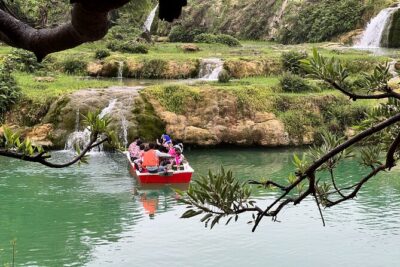 ★ 5.0East Salalah Mountain Safari, Wadi Darbat, Beach, Camels, DunesFrom $45206 reviews
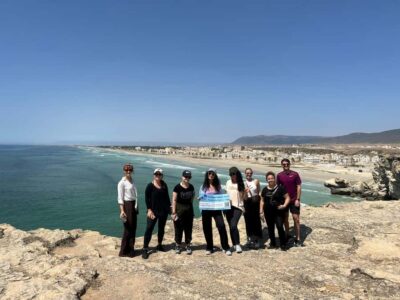 ★ 4.6Salalah: Wadi Darbat, Jabal Samhan, Baobab, Mirbat Sand DuneFrom $76178 reviews
 ★ 5.0Sunset Desert Safari Salalah Tour in Rub Al Khali – Empty QuarterFrom $9591 reviews
 ★ 4.6Salalah: Sunset Desert Safari – Rub Al Khali – Empty QuarterFrom $10279 reviews
 ★ 5.0West Salalah Tour – Caribbean of Orient – Fazayah Beach with CityFrom $4574 reviews
 ★ 4.5West Salalah: Caribbean of the Orient Fazayah Beaches & CityFrom $9360 reviews
 ★ 4.8Salalah City Tour: Discover the Best of Oman’s Coastal GemFrom $4558 reviews
 ★ 5.0Sunset desert safari tour in Salalah(private tour)From $12558 reviews
Browse the lists this tour appears in