
REVIEW · SALALAH & DHOFAR TOURS
Historical Salalah City Tour
Salalah shows its face fast. This half-day Historical Salalah City Tour strings together the biggest spiritual stop, the UNESCO Al Baleed frankincense complex, and real souq time, with an English-speaking guide who can explain what you are looking at in plain terms. My favorite part is how the drive is not just transport, it is context. One thing to plan for, though, is the strict Sultan Qaboos Mosque dress code, because you will not be able to improvise at the last second.
I also like that the tour feels built for comfort. You ride in newer vehicle models with comfort options, and you end with a simple local treat, a free coconut drink in the fruit market. The main consideration is pace. Some days feel very efficient, with short photo stops and limited free time, so if you love wandering slowly, you will want to budget extra time elsewhere.
In This Review
- Key highlights to know before you go
- Salalah’s route in a half-day: Mosque to souqs to plantation time
- Sultan Qaboos Mosque: morning hours and the dress code that must be respected
- Inside the Mosque experience: more than photos
- Al Baleed Archaeological Site and Museum: the frankincense story in context
- Passing Sultan Qaboos Palace: quick photo stop with a local birth connection
- Frankincense markets and souqs: Al Hosn and Haffa where shopping is the point
- Salalah Central Market and Al Husn Souq: seeing everyday life, not just landmarks
- Al Haffa Beach, Al-nahdhah Tower, and palace and tower views
- Ain Razat and fruit plantations: the Dhofar “perfume capital” side you can taste
- The coconut drink finish: a small treat that signals local rhythm
- How much time do you really get at each stop?
- Price and value at about $104 per person
- Who this tour suits best
- Should you book the Historical Salalah City Tour?
- FAQ
- What days and hours is Sultan Qaboos Mosque open for this tour?
- What should I wear for the Sultan Qaboos Mosque visit?
- What stops does the tour include besides the mosque?
- Is the tour guided in English?
- Do I get a chance to try something local?
- What should I bring to make the tour go smoothly?
- Can I book now and pay later, and what is the cancellation window?
Key highlights to know before you go
- Sultan Qaboos Mosque focus, with on-site explanations and very clear dress rules for men and women
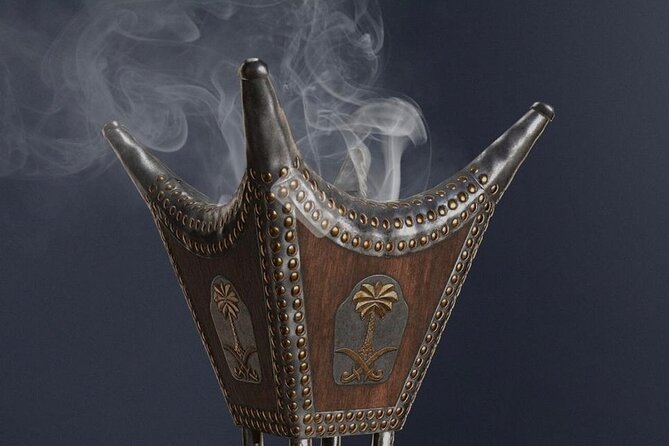
- Al Baleed UNESCO experience, pairing the frankincense museum with the archaeological site feel
- Frankincense Souq stops, including Al Hosn Souq, where gifts and local handmade items are part of the mix
- Sultan Qaboos Palace photo stop, passed or viewed from outside for quick memorable pictures
- Ain Razat and fruit plantations, so you see Dhofar beyond the city streets
- Free coconut drink, served at the end in the Salalah fruit market
Down in Dhofar, more days out
- East Salalah Mountain Safari, Wadi Darbat, Beach, Camels, Dunes★ 5.0 · 206 reviews
- Sunset Desert Safari Salalah Tour in Rub Al Khali – Empty Quarter★ 5.0 · 91 reviews
- Salalah: Sunset Desert Safari – Rub Al Khali – Empty Quarter★ 4.6 · 79 reviews
- West Salalah Tour – Caribbean of Orient – Fazayah Beach with City★ 5.0 · 74 reviews
Salalah’s route in a half-day: Mosque to souqs to plantation time
This tour is designed for one big goal: help you understand Salalah, the perfume capital of Arabia, without spending your whole day stuck in traffic or guessing what matters. You start with the most important landmark in town for religious culture, then you move into the frankincense story that shaped Dhofar’s fame. After that, you shift into everyday life: souqs, local markets, and fruit plantations.
You will spend most of your time looking at places that connect to identity. Frankincense is not a random souvenir theme here. It is a historical thread you follow from museum explanations to the way the markets are organized and what people sell. That makes the tour feel purposeful, not like a checklist.
Sultan Qaboos Mosque: morning hours and the dress code that must be respected
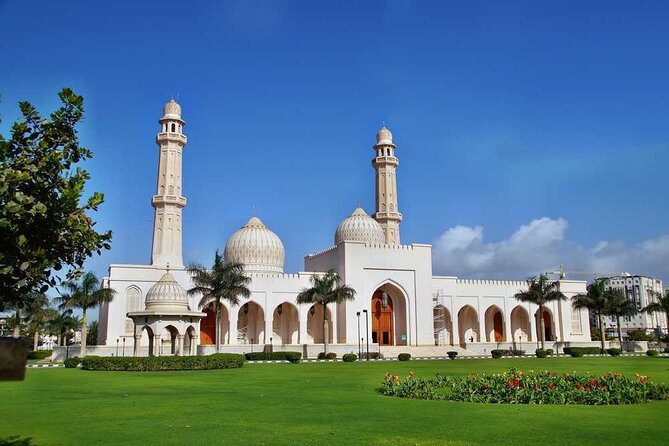
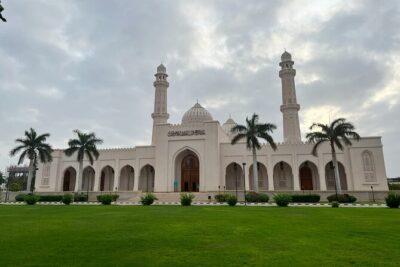
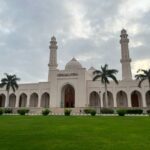
Your first stop is Sultan Qaboos Mosque. The timing matters. It is open Saturday to Thursday from 8:30 to 11:00, and it is closed on Fridays. If your plans are flexible, arriving on time helps you get the full experience, including the guide’s context before you have any time to look around.
Here is the practical part you should not skip. Bring long sleeves, long pants, and a scarf. Shorts, short skirts, tight clothing, and see-through clothing are not allowed. For women, the scarf is required for a visit with long-sleeved shirts and covered legs. For men, the same spirit applies, full covered clothing.
Inside the Mosque experience: more than photos
You will have a local experienced English-speaking tour guide with you here, and that is the key difference between a quick pass and a meaningful stop. The guide is set up to explain local traditions and religion, not just point at architecture.
Even if you are not religious, you will likely appreciate learning the basics of how visitors are expected to behave. Mosque visits can feel confusing if you do not know what is appropriate. Having a guide who can translate the unspoken rules makes the experience smoother, and it also helps you ask better questions when you are standing there.
Al Baleed Archaeological Site and Museum: the frankincense story in context
After the mosque, you shift gears to the Museum of the Land of Frankincense at Al Baleed. This is a UNESCO world heritage site, and the museum connection helps you connect the dots fast. You get the history of Oman, plus the difference between old and modern Oman, explained in a way that is easier to hold in your head during a short visit.
What I like about this stop is that it does not treat frankincense as a one-note topic. It frames it as something that built routes, trade, and wealth over time. Once you understand that, the later market visits make more sense. You start seeing souvenirs as evidence of a much larger story.
You are also at a place where the physical setting helps. Al Baleed’s archaeological site vibe makes the history feel grounded. Instead of only reading about the past, you can look at the site itself while the guide ties it back to what you are learning.
The longer history of Salalah, other tours
Passing Sultan Qaboos Palace: quick photo stop with a local birth connection
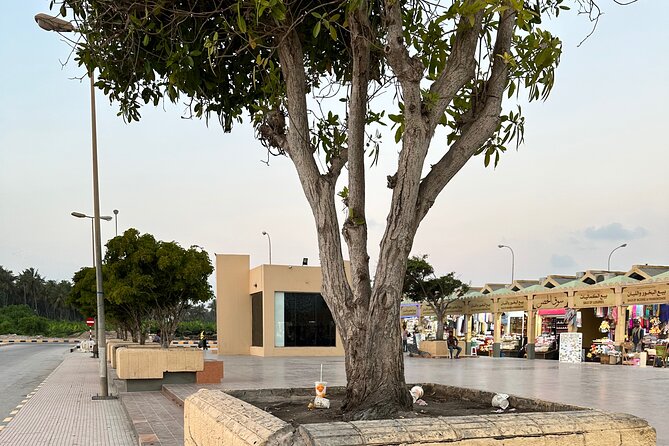
On your way to the frankincense market area, you pass Sultan Qaboos Palace. This is a from outside photo stop, so do not expect a long walkthrough. Still, it is a useful anchor point for understanding the modern national story.
You may also learn that Sultan Qaboos was born in 1940. Even if your time here is brief, it adds an extra layer: you are moving through Salalah’s religious landmarks, historical trade heritage, and modern royal context in one loop.
Frankincense markets and souqs: Al Hosn and Haffa where shopping is the point
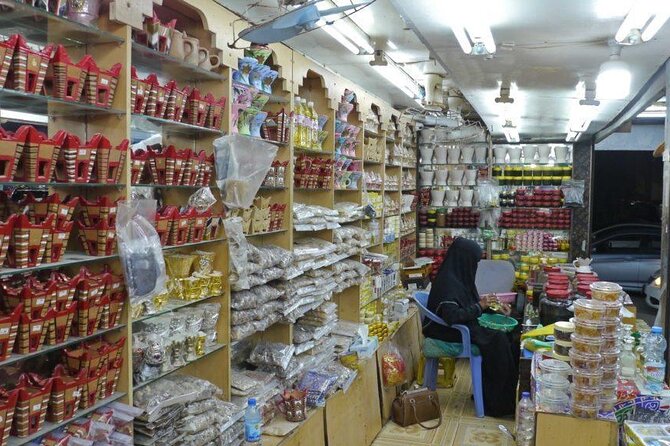
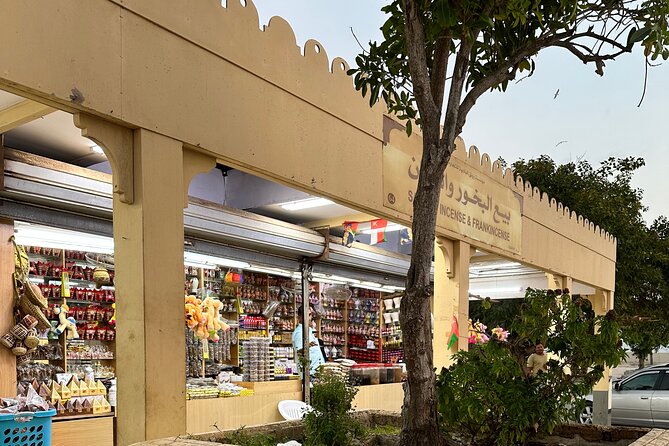
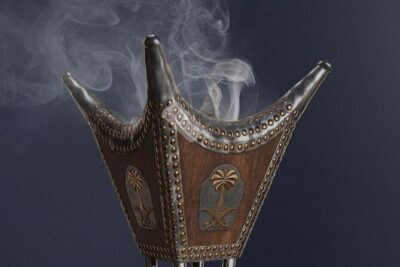
Next comes the souq portion, and this is where the tour turns lively. You visit Al Hosn Souq, described as the oldest local market for all types of frankincense and local handmade gifts. That phrasing matters. This is not just a place to browse modern trinkets. It is part of the cultural shopping rhythm of the area.
You also spend time around the Haffa market area, including the frankincense market at haffa souq. Expect tea moments along the way, and expect the guide to help you interpret what you are seeing. A good guide can turn shopping from stressful bargaining into a calm learning experience, especially when you are not sure what a product is or why it is valued.
If you are trying to buy frankincense, this is the practical place to do it because the tour is built around that theme. The guide can help you understand what to look for and how to ask questions.
Salalah Central Market and Al Husn Souq: seeing everyday life, not just landmarks
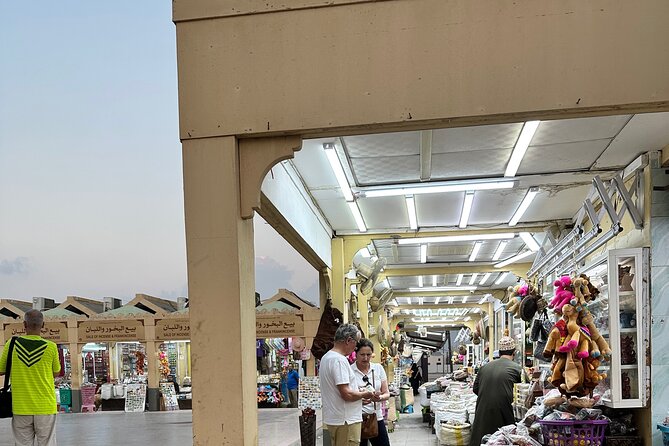
Beyond frankincense, the tour includes time in central market areas, including Salalah Central Market and Al Husn Souq. This is where the tour starts to feel like being in Salalah rather than just seeing Salalah.
You will also encounter local handmade items and everyday goods tied to the city’s habits. If you like cultural shopping, these stops give you room to slow down and actually observe daily life.
One tip: go with curiosity, not a strict shopping mission. If you already know what you want, great. If you do not, treat the souqs like a learning lab. You can decide what to buy after you understand the options.
Al Haffa Beach, Al-nahdhah Tower, and palace and tower views
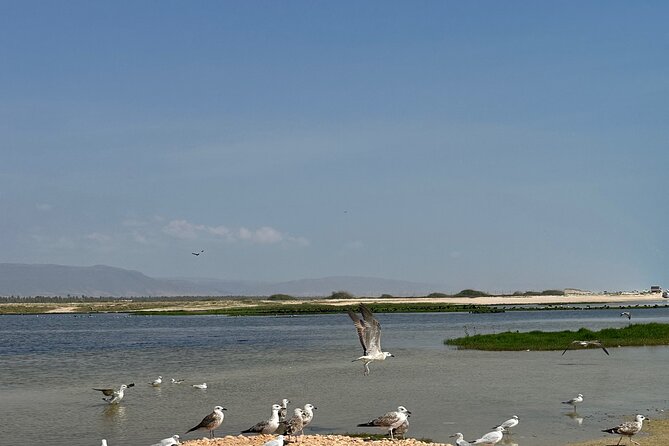
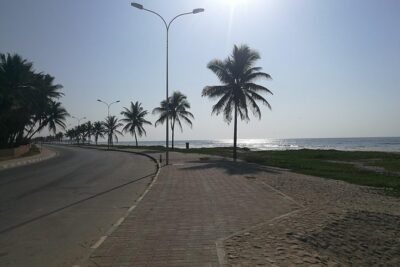
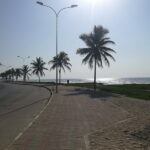
Your drive also includes viewpoints and pass-bys that add texture to the day. You may pass Al-haffa Beach, plus Al-nahdhah Tower, and you will see Al Hosn Palace passed on the route.
These spots are not always long stops, so think of them as scene-setting moments. You get a sense of where the city stretches, what people see and use, and how the coastline fits into Dhofar’s identity. If you prefer photos with clear sightlines, the photo-stop style of these moments is a strength of the tour.
Ain Razat and fruit plantations: the Dhofar “perfume capital” side you can taste
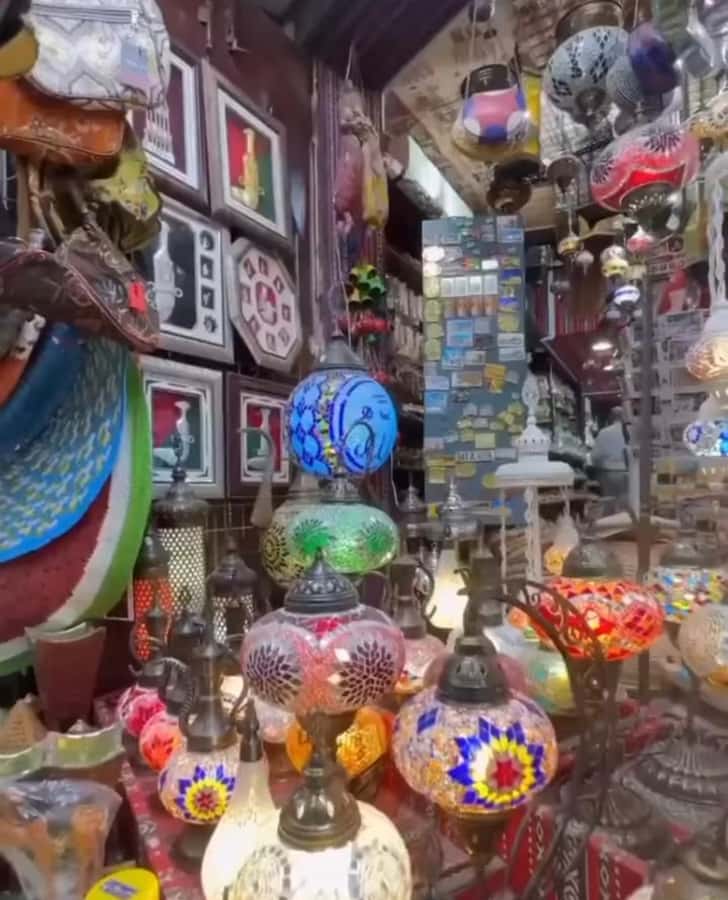
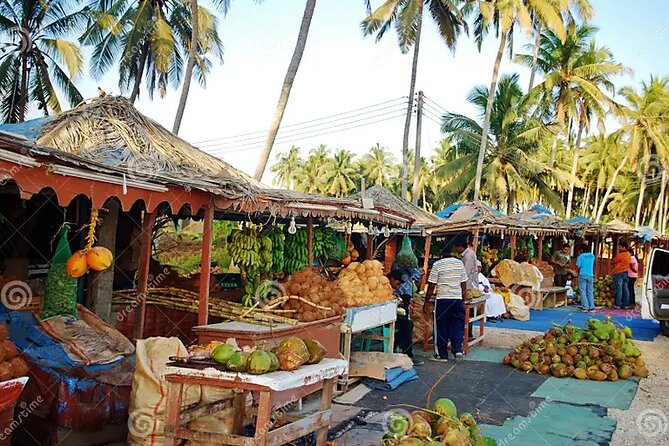
One of the best surprises in Salalah is that Dhofar’s identity is not only history and incense. You also drive through fruit plantations, including Ain Razat, and through areas lined with plantations and fruit shops.
This portion matters because it connects to why Salalah feels alive when the weather turns favorable. The tour gives you a view of agriculture and local produce, so you do not leave only with incense smells in your bag. You leave with a better understanding of daily economic life in the region.
It is also a good mental reset after the indoor museum focus. Outside, the pace softens. You can look, take photos, and enjoy the fact that the tour is moving through real spaces people work in.
The coconut drink finish: a small treat that signals local rhythm
At the end, you get a free coconut drink in the Salalah fruit market. It is simple, but that kind of finish works because it matches what you saw earlier: plantations, fruit shops, and local refreshment culture.
If you are the type who likes closure, this gives you that. You are not rushing straight back to the hotel right after the last stop. You get a calm final moment to sip something local.
How much time do you really get at each stop?
This is where expectations help. The tour is described as half-day, but your total time can stretch based on hotel pickup time and driving. You will have guided time at the mosque and museum, but some other stops are photo stops or short browsing windows.
From my perspective, this style is a good match if you want structure. You get the key cultural anchors in one loop. You can also ask questions without worrying about whether you will find the right entrance to Al Baleed or how to handle the mosque dress rules.
The tradeoff is that the tour is not designed for slow wandering. If your personal travel style is long museum time, multiple souq comparisons, and lingering for photos, you may want extra time scheduled on your own later the same day or the next.
Price and value at about $104 per person
At $104 per person for a half-day, the value comes from three things working together: a knowledgeable local English-speaking guide, a compact route with major stops, and transport in newer vehicle models with comfort options.
You are paying for convenience and interpretation. Without a guide, you can still visit places like the Sultan Qaboos Mosque and Al Baleed area, but figuring out what to prioritize, how to behave in the mosque, and how to connect frankincense history to the shopping stops takes extra effort. Here, the guide handles the glue.
Where price can feel less attractive is if the day runs very fast for your liking or if your group size makes everything feel more rigid. The tour’s design is efficient, so choose it when you want that kind of guided momentum, not when you want a flexible, slow private day.
Who this tour suits best
This tour fits you well if you:
- want Al Baleed and frankincense connections without planning every detail
- prefer an English guide who can explain religious and cultural context at the mosque
- like souqs for learning and buying, especially frankincense and small local gifts
- enjoy quick scenic moments like Al Haffa Beach and tower/palace pass-bys
- are happy with a half-day structure and a quick end at the fruit market
It might not fit as well if you need lots of free time at each stop. The mosque and museum are guided, and other stops are shorter. Think of it as a smart sampler that covers the main highlights fast.
Also, guides can make a big difference. Local English-speaking guides like Amin, Rashid, and Salem are highlighted for being friendly, courteous, and well prepared. That matters because the tour’s value depends on interpretation, not just moving from one location to another.
Should you book the Historical Salalah City Tour?
I would book it if you want a practical, culture-first introduction to Salalah in a short window. The combination of Sultan Qaboos Mosque, UNESCO Al Baleed, and frankincense markets gives you a coherent story. Add plantation scenery like Ain Razat and the coconut drink finish, and you get more variety than a typical city drive.
I would hesitate only if you hate rules around clothing, or if you need lots of slow, independent time at museums and markets. If you can pack long sleeves, long pants, and a scarf, and you like a structured half-day, this tour is a solid value for your Dhofar day.
FAQ
What days and hours is Sultan Qaboos Mosque open for this tour?
Sultan Qaboos Mosque is open Saturday to Thursday from 8:30 to 11:00. It is closed on Fridays, so you should plan your visit around that schedule.
What should I wear for the Sultan Qaboos Mosque visit?
Bring a long-sleeved shirt, long pants, and a scarf. Shorts, short skirts, tight clothing, and see-through clothing are not allowed. Ladies also need a scarf for a full covered look.
What stops does the tour include besides the mosque?
The tour also includes the Museum of the Land of Frankincense at Al Baleed, a visit connected to the Frankincense Souq area, time at Al Hosn Souq and other market stops, plus driving through plantations such as Ain Razat. You also pass sights like Sultan Qaboos Palace for a photo stop.
Is the tour guided in English?
Yes. The tour is listed as being in English with an experienced local English-speaking guide.
Do I get a chance to try something local?
Yes. At the end of the tour, you can enjoy a free coconut drink in the Salalah fruit market.
What should I bring to make the tour go smoothly?
You should bring a long-sleeved shirt, long pants, and a scarf to meet the mosque dress code. Comfortable planning matters here because the rules are strict.
Can I book now and pay later, and what is the cancellation window?
The tour offers reserve & pay later, meaning you can book your spot and pay nothing today. Cancellation is allowed up to 24 hours in advance for a full refund.
More City Days in Salalah


Older Salalah, Fort by Fort
More of Dhofar


Elsewhere in Salalah, also reviewed
- Half-Day Private Salalah East Tour
★ 5.0 · 3 reviews - Salalah City Tour :Salalah Tours
★ 5.0 · 3 reviews - Salalah East Tour (Full Day Tour)
★ 5.0 · 3 reviews - West Coast Mountains and Beaches (Fazayah beach + Shaat cliff)
★ 5.0 · 3 reviews - Jebel Safari – Tour della montagna
★ 5.0 · 3 reviews
Salalah & Dhofar Tours, compared.
 ★ 5.0East Salalah Mountain Safari, Wadi Darbat, Beach, Camels, DunesFrom $45206 reviews
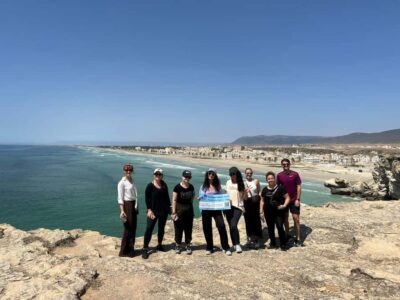 ★ 4.6Salalah: Wadi Darbat, Jabal Samhan, Baobab, Mirbat Sand DuneFrom $76178 reviews
 ★ 5.0Sunset Desert Safari Salalah Tour in Rub Al Khali – Empty QuarterFrom $9591 reviews
 ★ 4.6Salalah: Sunset Desert Safari – Rub Al Khali – Empty QuarterFrom $10279 reviews
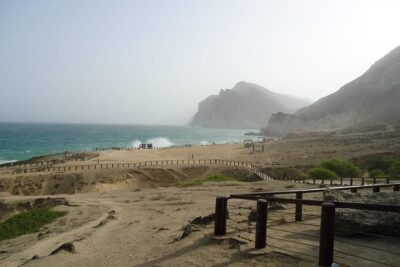 ★ 5.0West Salalah Tour – Caribbean of Orient – Fazayah Beach with CityFrom $4574 reviews
 ★ 4.5West Salalah: Caribbean of the Orient Fazayah Beaches & CityFrom $9360 reviews
 ★ 5.0Sunset desert safari tour in Salalah(private tour)From $12558 reviews
 ★ 4.8Salalah City Tour: Discover the Best of Oman’s Coastal GemFrom $4558 reviews
Browse the lists this tour appears in